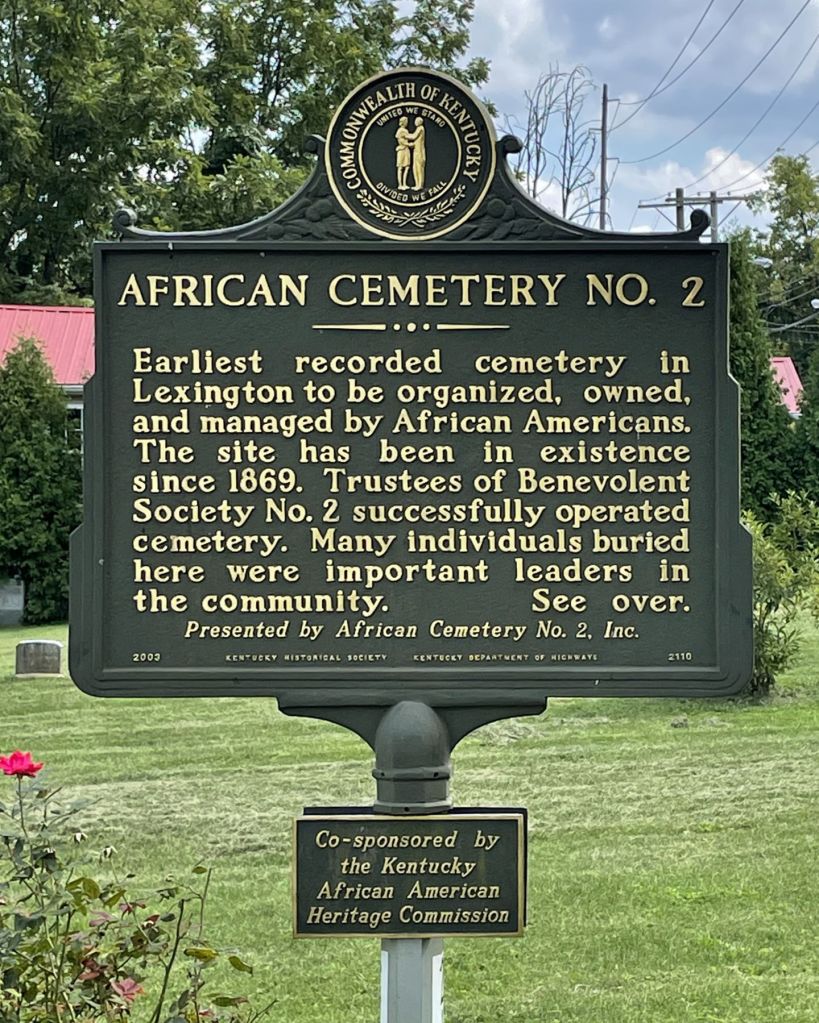
“Earliest recorded cemetery in Lexington to be organized, owned, and managed by African Americans. The site has been in existence since 1869. Trustees of Benevolent Society No. 2 successfully operated cemetery. Many individuals buried here were important leaders in the community.”
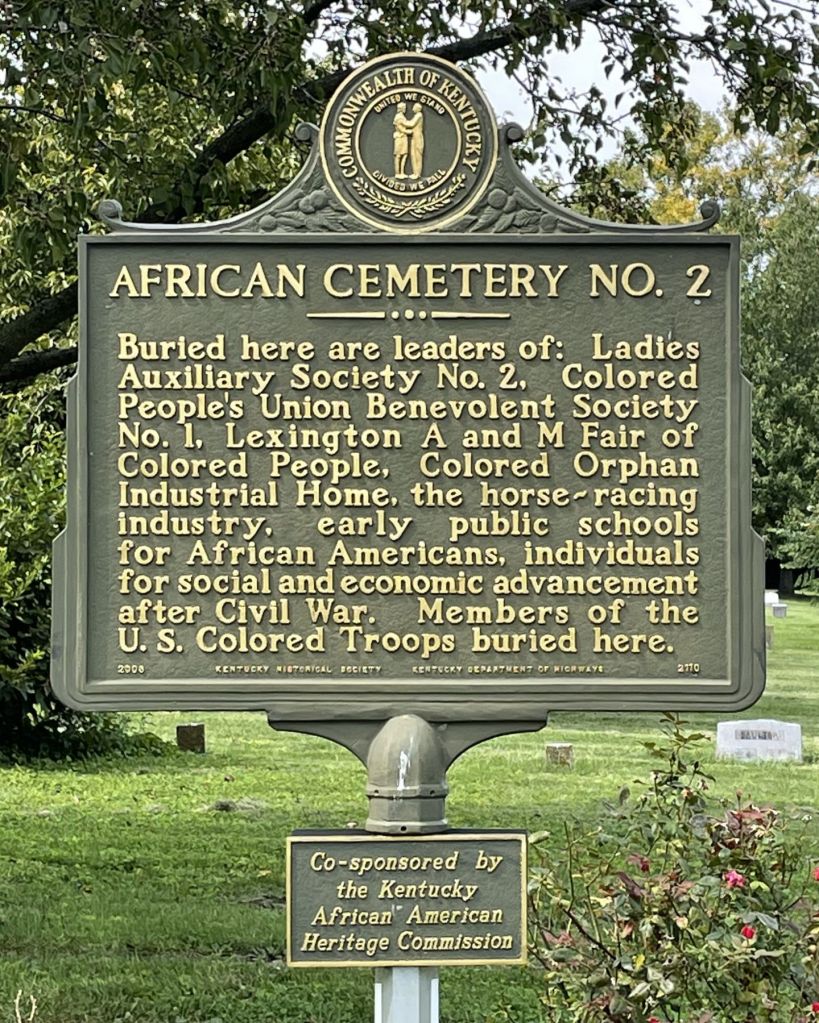
“Buried here are leaders of: Ladies Auxiliary Society No. 2, Colored People’s Union Benevolent Society No. 1, Lexington A and M Fair of Colored People, Colored Orphan Industrial Home, the horse-racing industry, early public schools for African Americans, individuals for social and economic advancement after Civil War. Members of the U.S. Colored Troops buried here.”
Kentucky Historical Society, Marker No. 2110 — erected 2003
419 E. Seventh St., Lexington | 38° 03′ 02″ N, 84° 28′ 41″ W — Directions: MapQuest
The front of this marker is a statement of ownership. African Cemetery No. 2, it says, was the earliest recorded cemetery in Lexington “to be organized, owned, and managed by African Americans.” The reverse lists who is buried here, almost entirely by the organizations they built: benevolent societies, a fair, an orphans’ home, early schools, the horse industry, the United States Colored Troops. It does not name a single person.
That fits the place more than it might seem. More than 5,000 people are believed to be buried on these eight acres. About 1,200 have been identified, and fewer than 600 graves have a stone. What the marker leaves out is how much work it took to keep this ground, and how often the city around it took pieces away.
A Society Older Than Freedom
The cemetery belonged to the Colored People’s Union Benevolent Society No. 2, usually shortened to Union Benevolent Society No. 2. It was chartered in 1852, thirteen years before the Thirteenth Amendment ended slavery in Kentucky, by founders including Lewis Page, Sam Breckinridge, and Leonard Fish. The cemetery’s National Register nomination describes its original members as enslaved men. The society’s purpose, in the Kentucky Historical Society’s summary, was to “take care of the sick, bury the dead, and perform other deeds of charity.” The cemetery itself would not come for another seventeen years.
It worked the way most mutual aid societies of the period worked. Members paid dues, and in return the society looked after them when they were sick and buried them when they died. A member’s family received a coffin, a box, and a hearse, at a cost to the society of twenty dollars. Male members were expected to attend a brother’s funeral or pay a fifty-cent fine. At its peak the society had 685 members, the largest of Lexington’s Black fraternal organizations.
Burial mattered because so little else was guaranteed. Before the war, Black Lexingtonians, enslaved and free, were buried where white institutions allowed, as in the old Presbyterian burying ground on Limestone Street. A society that could promise a decent funeral, paid for and attended by its own members, was offering something its members could not count on anywhere else.
Eight Acres on Seventh Street
On November 19, 1869, the society bought four acres on what is now East Seventh Street, then open land on the northeastern edge of town. The price was $1,500: $500 down and the rest over two years. Trustee Jordan C. Jackson, one of Lexington’s first Black professional funeral directors, negotiated the purchase. Four months later the Kentucky legislature chartered the cemetery, and the charter included a promise: the ground “shall never be used in any manner inconsistent with this act.”
In 1875 the society bought four more acres next door, set aside for orphans, the poor, and the homeless of the Black community. In the 1880s the Ladies Auxiliary Society No. 2, the women’s organization named first on the back of the marker, added a narrow strip of land known as the Cemetery Ell, or Potter’s Field. By the end of the century a superintendent’s house stood near the entrance. A 1902 city directory lists John Carr as “Cemetery Superintendent.” The house showed that the ground was in active use, which helped discourage anyone hoping to build on it. It later burned, and the cemetery’s records were probably lost with it. That fire is one reason so many of the burials here are unidentified.
Moved Here, and Moved Away
Not everyone in the cemetery was buried here first. In 1889 the old Presbyterian cemetery on Limestone Street was sold for development, and roughly 300 bodies were dug up and moved to Seventh Street. According to the newspaper coverage at the time, many of the people who “strenuously opposed the removal” were Black. Among those moved were some of the most prominent free Black men of antebellum Lexington: Robert Cromwell (1780–1844), a founder of the Colored People’s Union Benevolent Society No. 1, the first organization named on the marker’s reverse; the merchant William Tucker; and George Tandy. No record survives of where in the cemetery their remains were placed.
The most famous person ever buried here went the other way. Isaac Burns Murphy, born into slavery in 1861, became the first jockey to win the Kentucky Derby three times: 1884, 1890, and 1891. His winning percentage is still cited as one of the best in the sport’s history. When he died in February 1896, more than 500 people attended his funeral. He was buried at African Cemetery No. 2 in a grave with no stone, and over the following decades its exact location was forgotten.
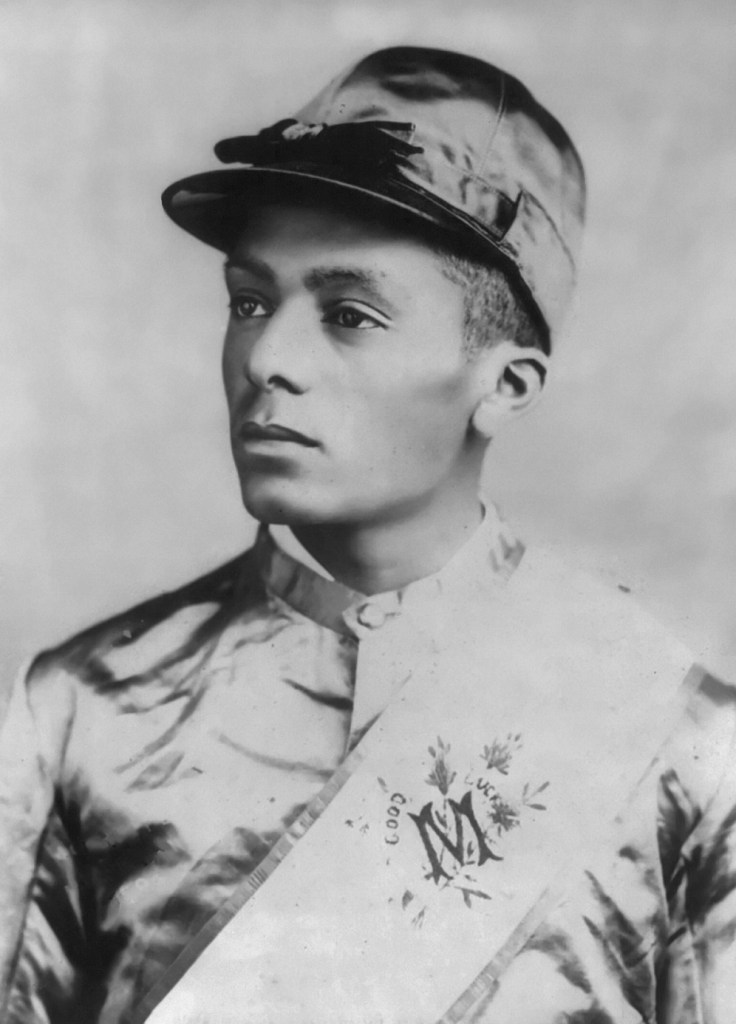
In the 1960s a University of Kentucky publicist, Frank B. Borries Jr., spent three years trying to find it. In 1967, the Sunday Herald-Leader reported that Murphy’s remains had been removed “from an unmarked and neglected grave in the now abandoned old ‘No. 2 Cemetery’” and reburied beside the grave of Man o’ War. When the Kentucky Horse Park was built about a decade later, Murphy was moved again along with the horse, to the park entrance, where he remains today.
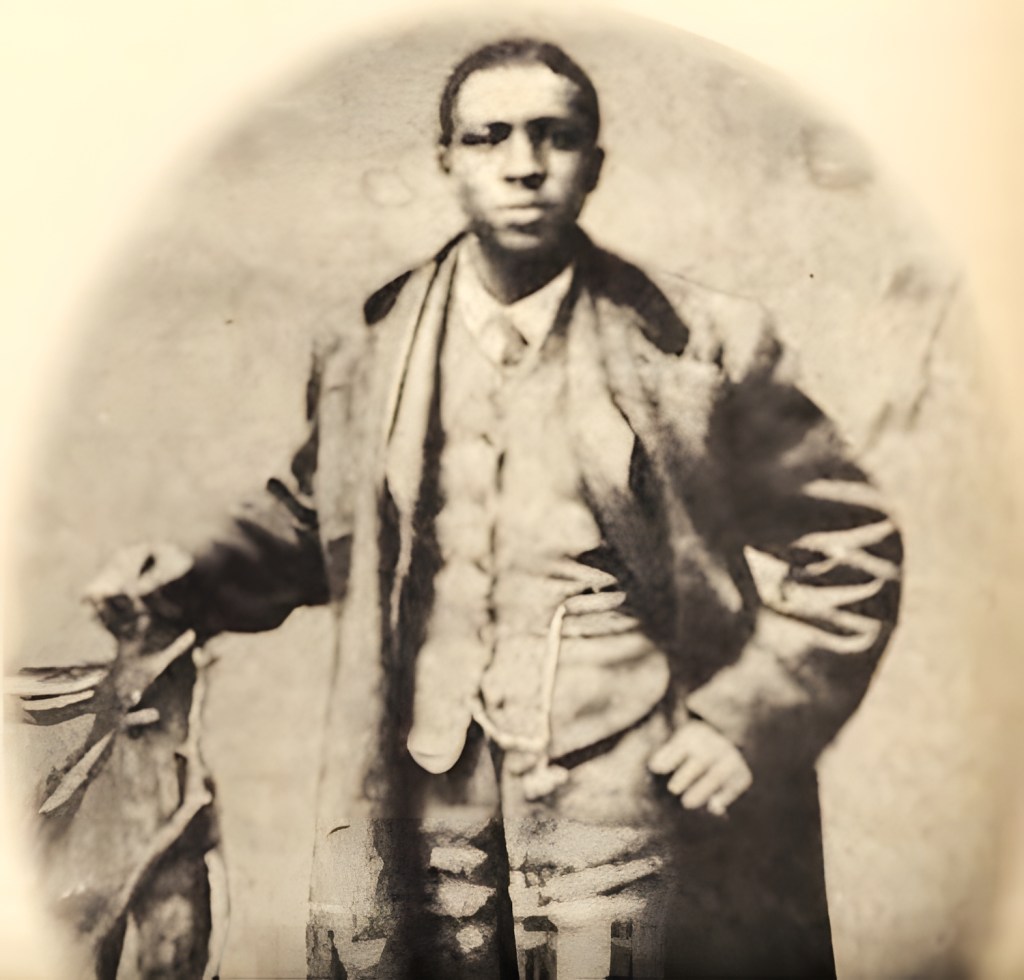
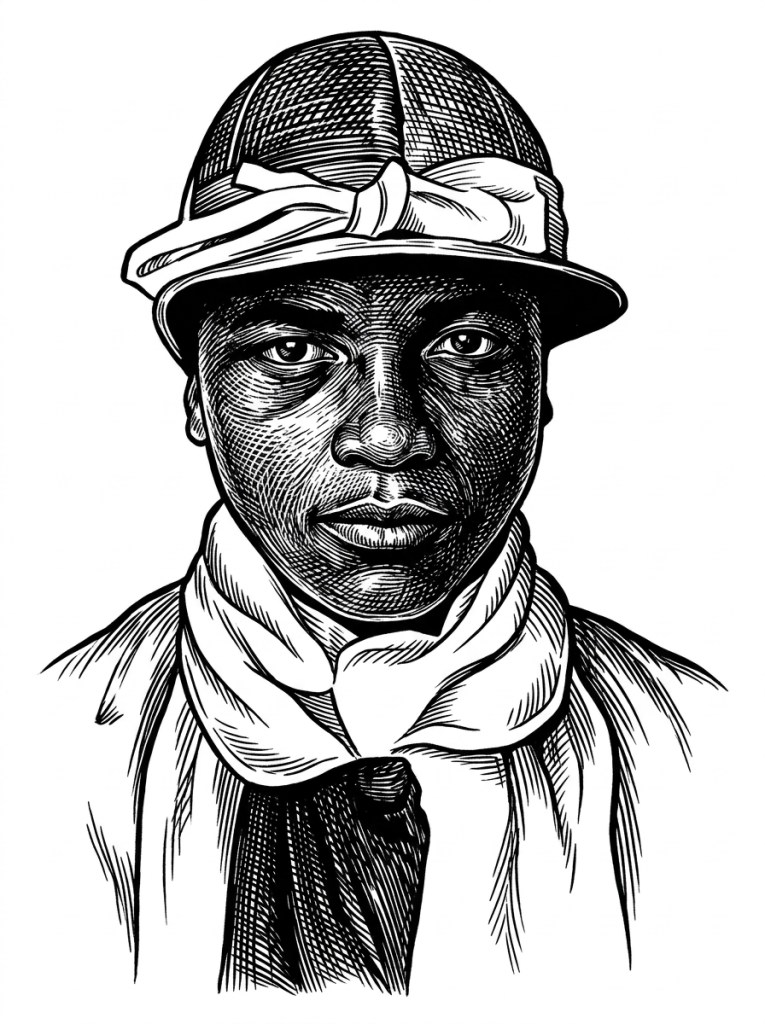
Murphy is now probably the best-known Black horseman in Kentucky history. Many of the Black horsemen of his era are still here. Over many years, the late Dr. Anne Butler, a longtime member of the cemetery’s board, combed death certificates for occupations like jockey, trainer, groom, and hostler. The cemetery has since identified 159 men who worked in the racing industry. They include Oliver Lewis, who rode Aristides to victory in the first Kentucky Derby; James “Soup” Perkins, the second-youngest jockey ever to win the Derby, in 1895; the jockey Tommie Britton; Joseph Scott, a jockey who died at sixteen; and Cassius Clay Tankersly, who was killed in a race at Latonia and whose employer paid for his monument.
Railroads, Sewers, and Weeds
The 1869 charter promised that the land would only ever be a cemetery. The city kept testing that promise. Around 1890 the Belt and Passenger Railroad laid track across the back of the property, cutting into the cemetery for nearly 744 feet and taking more than 19,000 square feet of ground. In 1934 the society’s acting president, Samuel Burdette, granted the city a strip of 7,376 square feet for a storm sewer. The deed specified that “no steam, gasoline or other mechanical shovel shall be used in excavating.” The construction damaged the grounds anyway.
By then the society itself was fading. Burials remained steady through the 1930s, but the Union Benevolent Society No. 2 dissolved during the 1940s, and the cemetery was left with no one responsible for it. Burials continued even as the grass and brush grew over the graves. In the summer of 1963, residents and businessmen complained to the city that the overgrown cemetery was “a source of hay fever and a playground for the lawless,” and on August 21 city workers came out to clear the weeds.
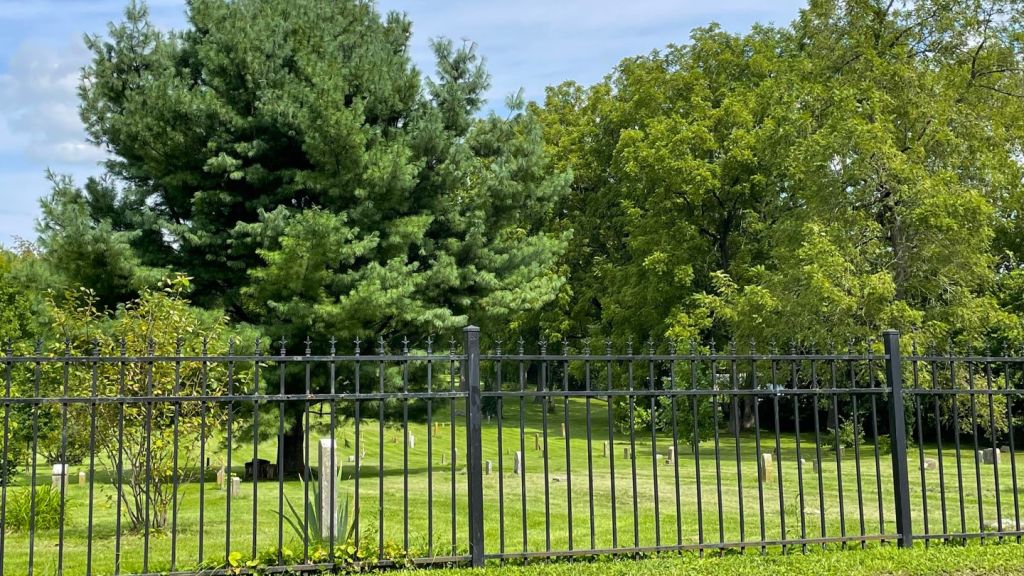
The city took control of the cemetery in 1973, with the last burial taking place in 1974. In 1979 a nonprofit, African Cemetery No. 2, Inc., formed to save it. With help from Mayor Jim Amato, volunteers spent 1979 and 1980 uncovering, resetting, and marking graves, and the brick pillars and iron fence along Seventh Street date from that effort. Vandalism and encroachment continued for years afterward, and the work of keeping the grounds has fallen mostly to volunteers ever since.
Soldiers, Teachers, and a Voting Rights Martyr
When the marker was dedicated in 2003, the Kentucky Historical Society counted 43 known soldiers of the United States Colored Troops buried here, including one member of the 54th Massachusetts, the regiment later made famous by the film Glory. Research since then has raised the count of Civil War soldiers to 112, about 80 of whom trained at Camp Nelson in Jessamine County, where about 10,000 of Kentucky’s roughly 24,000 Black soldiers enlisted and trained. Altogether, 148 veterans have been identified, including a dozen Buffalo Soldiers from the era of the Spanish-American War, 18 veterans of World War I, and four of World War II.
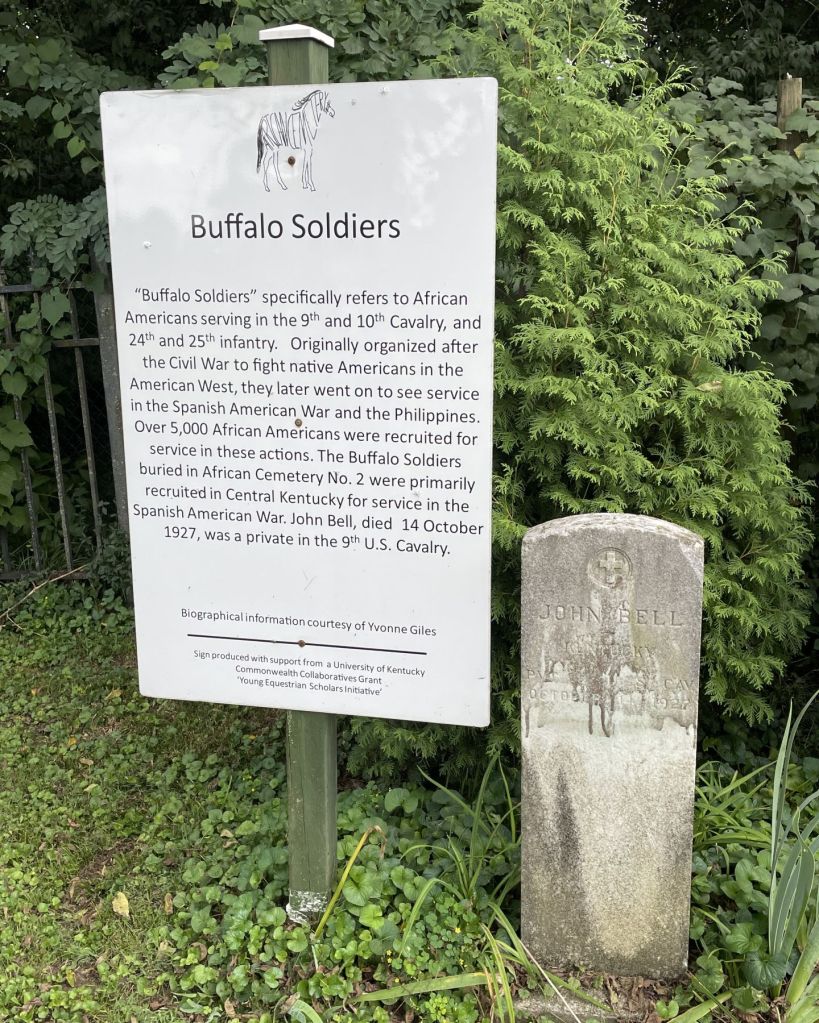
One of the Buffalo Soldiers is John Bell, a private in the 9th U.S. Cavalry who died on October 14, 1927. His government-issue headstone stands beside an interpretive sign about the Buffalo Soldiers. “Buffalo Soldiers” refers to the Black regulars of the 9th and 10th Cavalry and the 24th and 25th Infantry, regiments the Army created after the Civil War. The name is usually credited to the Plains nations they were sent to fight. For decades they fought and policed Native nations in the West on behalf of a government that did little to protect their own rights back home. In 1898 the 9th and 10th Cavalry fought in Cuba during the Spanish-American War, including in the assault on the San Juan Heights. According to the cemetery’s sign, most of the Buffalo Soldiers buried here were recruited in Central Kentucky for that war.
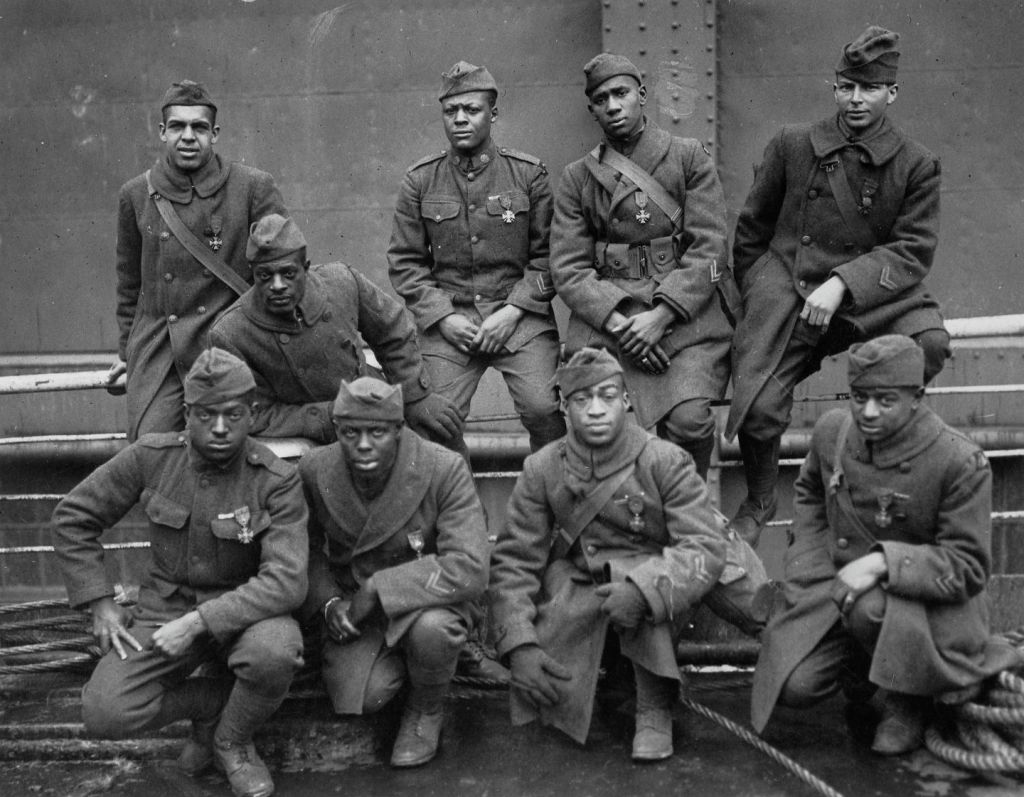
One of the World War I veterans is Clarence Espy, a Lexington native who served with the 369th Infantry, the “Harlem Hellfighters.” The 369th spent more time in front-line combat than any other American regiment of the war, and France awarded the regiment as a whole the Croix de Guerre, a French military decoration for bravery in combat.
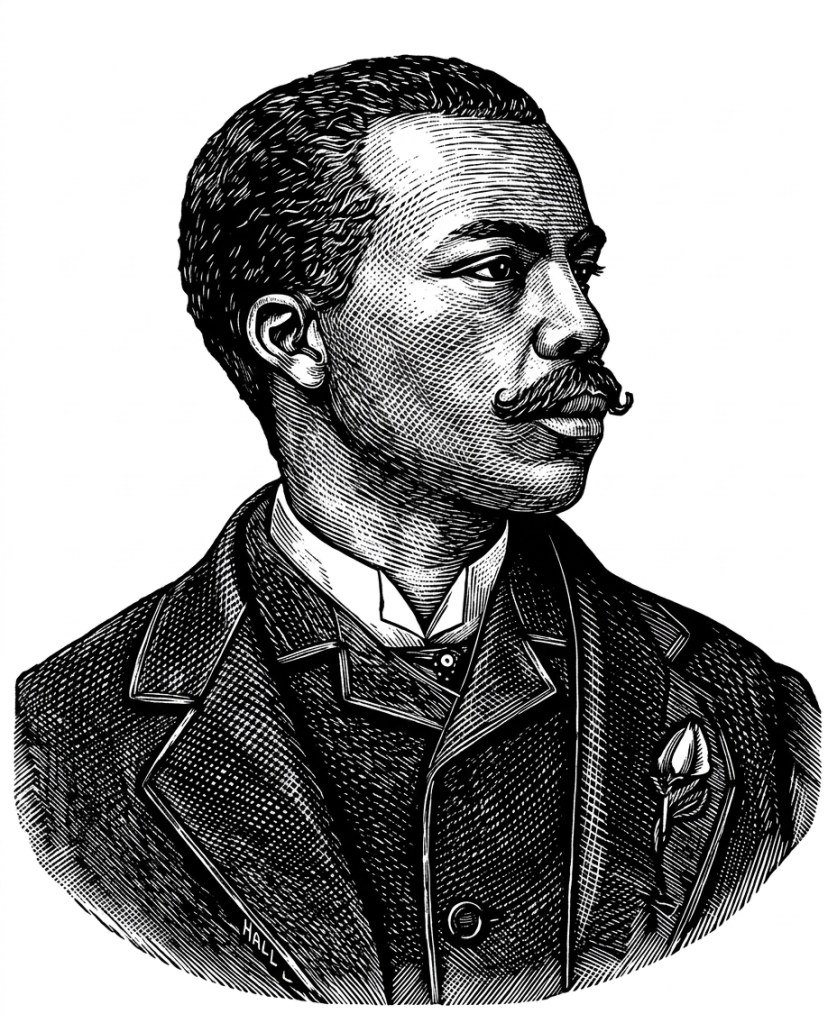
The cemetery also holds J. H. Jackson, the first president of the State Normal School for Colored Persons in Frankfort, now Kentucky State University, and Claiborne Lee, whose stone records that he lived to the age of 111. It holds the leaders of the Colored A&M Fair and the Colored Orphan Industrial Home, both of which have Kentucky Historical Society markers of their own.
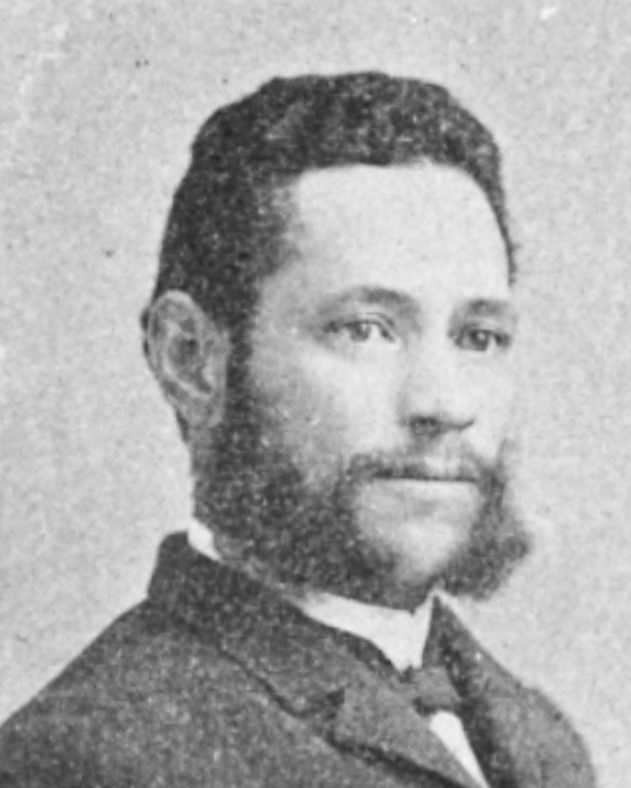
And it holds Robert Charles O’Hara Benjamin. Benjamin was a lawyer, a journalist, and the editor of the Lexington Standard, a Black weekly he had bought in 1897. On October 2, 1900, he was helping Black men in Lexington register to vote when a white man named Michael Moynahan harassed the group. Benjamin confronted him, and Moynahan beat him with a revolver. Moynahan was arrested for assault and released the same day. That evening he waited outside Benjamin’s house and, when Benjamin turned to run, shot him in the back six times. Moynahan claimed self-defense, and the case was dismissed. A monument was raised over Benjamin’s grave in 1910. In June 2026, as part of the city’s Juneteenth events, Lexington dedicated a marker in his honor, its first with the Equal Justice Initiative, the Montgomery, Alabama, nonprofit that documents victims of racial violence and created the National Memorial for Peace and Justice.
The Cemetery Today
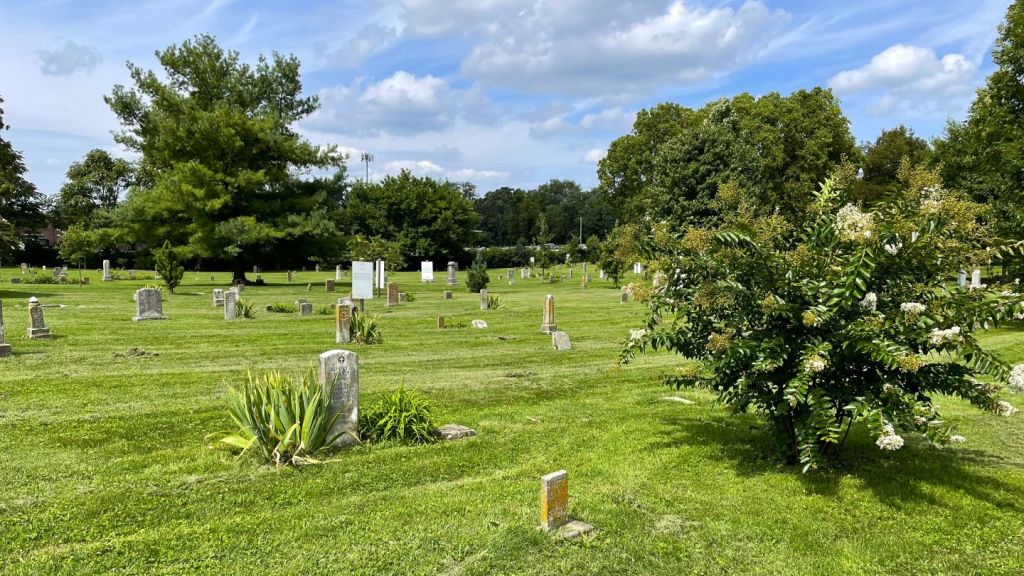
African Cemetery No. 2 sits in a residential neighborhood, behind an iron fence on East Seventh Street. Inside, two grass paths run from the street back toward the rail line, between rows of headstones of every size and age, from tall obelisks to small, weathered blocks with nothing legible left on them. Crepe myrtles line the paths, and mature oaks shade the edges. White interpretive panels, made by University of Kentucky students through a Young Equestrian Scholars program begun in 2010, mark the graves of individual horsemen. In 2015 a memorial bench and signage were placed at the original grave site of Isaac Murphy and his wife, Lucy. Much of the grass is open lawn, but given how many burials were never marked, it is unlikely that much of it is empty.
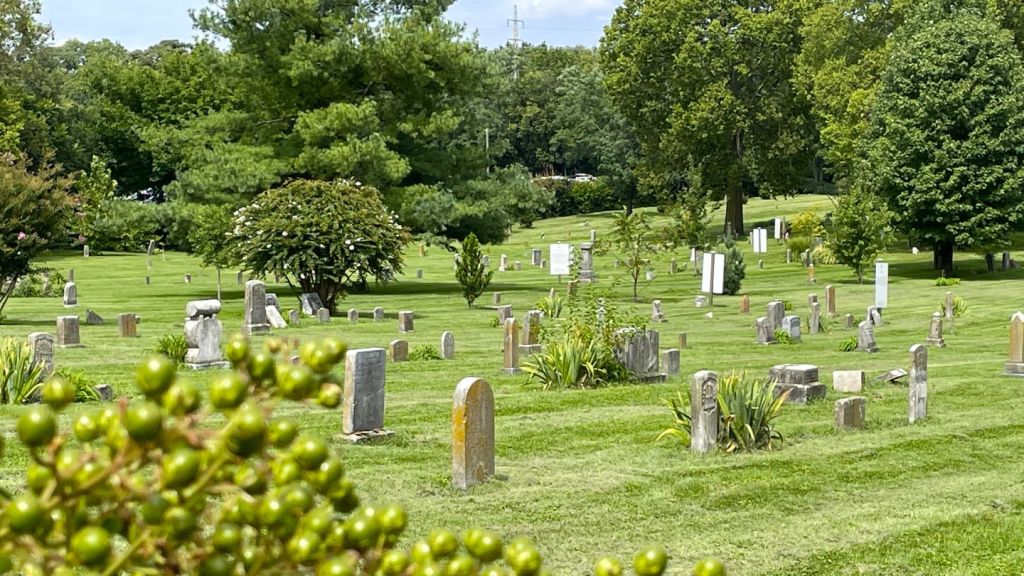
The marker was dedicated on June 19, 2003, Juneteenth, and the date has stuck. Since 2005 the cemetery has held a Juneteenth Jubilee each year, placing an American flag on the grave of every Civil War soldier and reading each name aloud. The cemetery was added to the National Register of Historic Places in 2004.
The 1869 charter said this land would never be used for anything but burial. The railroad took a strip of it, the sewer took another, and Isaac Murphy was moved out entirely. Even so, the remaining eight acres on Seventh Street are still a cemetery.
Sources consulted: Kentucky Historical Society marker inscription and ExploreKYHistory entry for African Cemetery No. 2 (No. 2110); National Register of Historic Places nomination, Cemetery of the Union Benevolent Society No. 2 (2004); University of Kentucky African Cemetery No. 2 project (history, walking tour, and newspaper references, including the Sunday Herald-Leader, April 30, 1967); African Cemetery No. 2, Inc., “Lexington’s African American Horsemen: Findings and Recognition” and World War I veterans list; The Cultural Landscape Foundation; Kentucky Photo Archive (Lexington Herald-Leader, August 21, 1963); Kentucky Horse Park; FOX 56 News (June 2026); Wikipedia entries for African Cemetery No. 2, Isaac Burns Murphy, Oliver Lewis, and R. C. O. Benjamin. Images: Library of Congress; National Archives; Wikimedia Commons; William D. Johnson, Biographical Sketches of Prominent Negro Men and Women of Kentucky (1897).




I’m eager to hear what you think