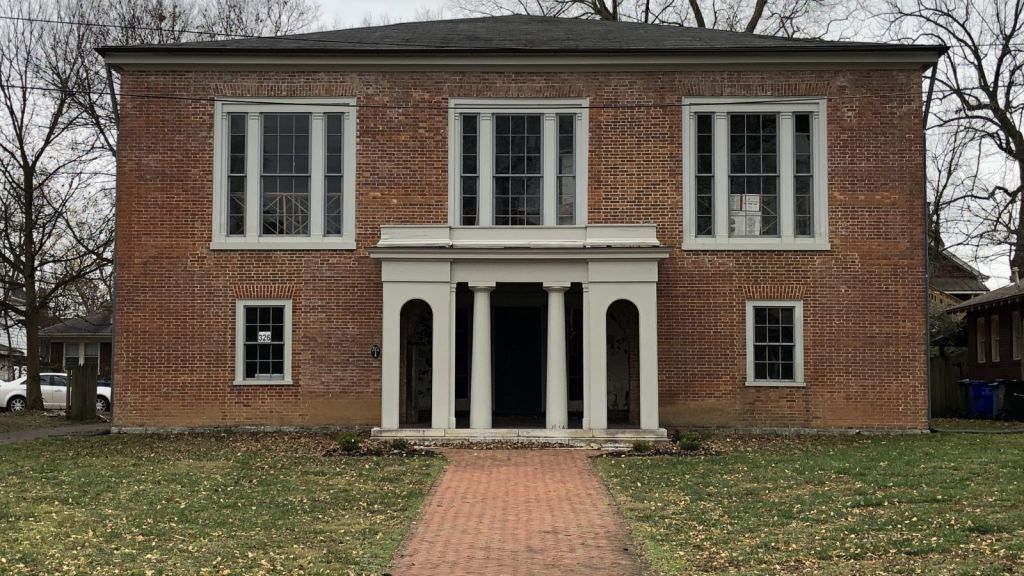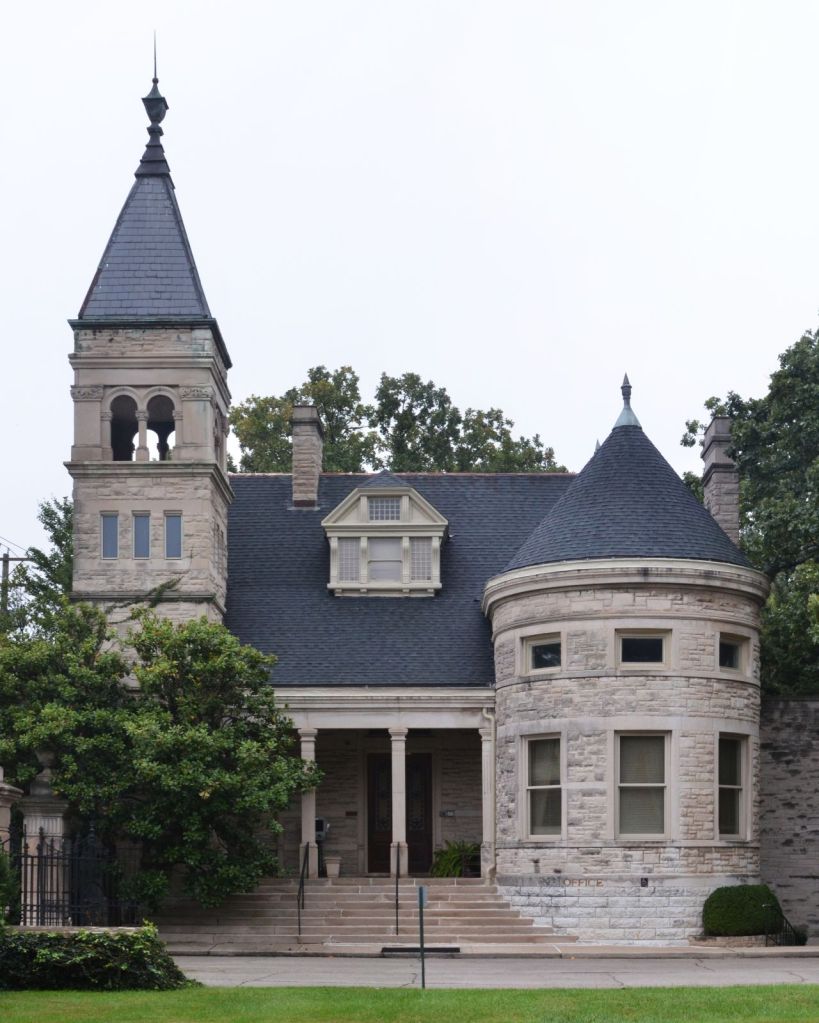
Dr. Luke P. Blackburn Correctional Complex
Originally Kentucky Village, this complex renamed in honor of Dr. Luke P. Blackburn, 26th Governor of Ky., in recognition of his pioneer efforts in prison reform. Elected Governor in 1879, after campaigning to relieve conditions at Frankfort Penitentiary, he asked for drastic changes in penal system in first message to legislature.Blackburn Correctional Complex
In 1880 prison reform finally began. Abolition of the lessee system soon followed. Governor Luke P. Blackburn’s efforts resulted in creation of the Kentucky State Penitentiary at Eddyville. Dr. Blackburn also noted for treating epidemics in parts of U.S. and other countries. Native of Woodford County, born 1816, he singlehandedly fought great epidemic of cholera there, 1835.
Kentucky Historical Society, Marker No. 1466 — erected 1973
Blackburn Correctional Complex, 3111 Spurr Road, Lexington | 38° 06′ 36″ N, 84° 32′ 16″ W — Directions: MapQuest
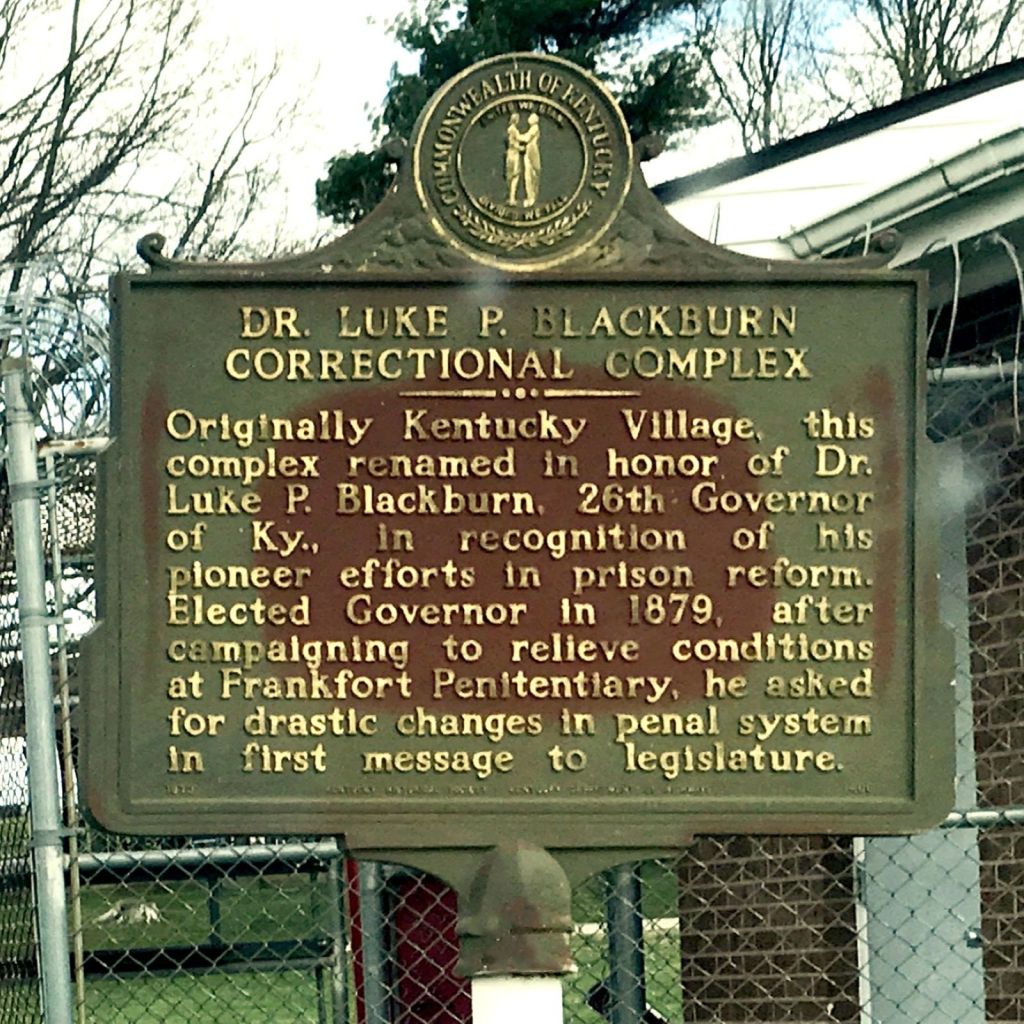
This marker stands just outside the security fence of a working state prison on Spurr Road, northwest of downtown Lexington. It can be read from the roadside, and that is as close as most visitors will get. Its two sides tell a tidy story: a physician-governor who cleaned up Kentucky’s prisons and fought epidemics at home and abroad. Every claim on it has a basis in the record. What the marker leaves out is the episode that made Luke Blackburn’s name notorious across the North, fifteen years before Kentucky elected him, and the fine print behind its most confident sentence.
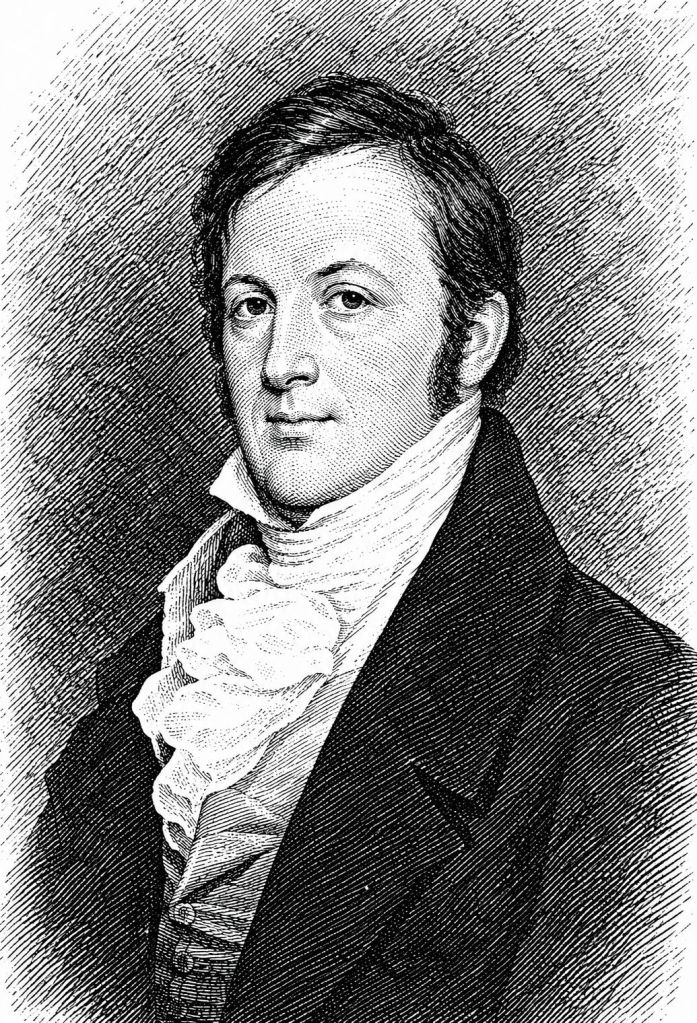
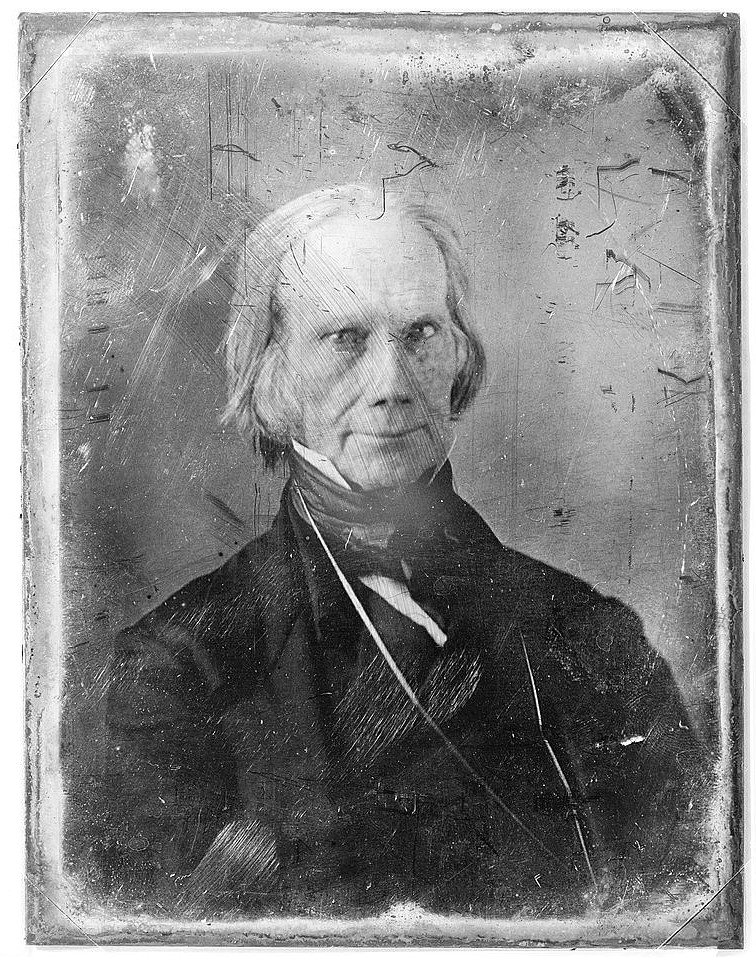
Luke Pryor Blackburn (1816–1887), M.D.
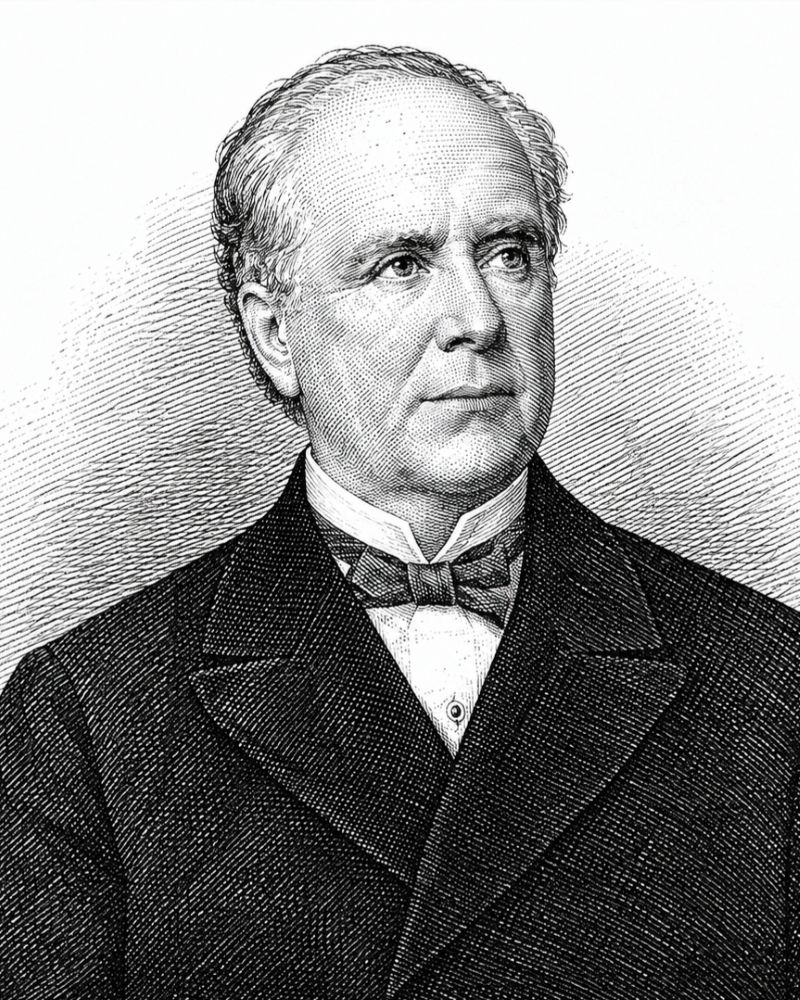
Blackburn grew up in Woodford County, one of thirteen children in a family long active in Kentucky politics. At sixteen he began a medical apprenticeship under his uncle, Dr. Churchill Blackburn, and helped him treat cholera patients during outbreaks in Lexington and Paris. He earned his medical degree from Transylvania University in 1835 and opened a practice in Lexington.
That same year cholera reached Versailles, the seat of his home county. Cholera kills through violent diarrhea and vomiting that can dehydrate a victim within hours, and no one yet knew that it spread through contaminated water. Epidemics emptied towns as residents, and often their doctors, fled. By one account, roughly fifteen percent of Woodford County’s population died. Blackburn went to Versailles, worked through the epidemic, and accepted no payment. The grateful townspeople persuaded him to stay, and in 1843 Woodford County sent him to the state legislature.
The marker says he fought that epidemic “singlehandedly.” The word comes from a story often told about him: that he was the only doctor who stayed in Versailles while the disease raged. That may well be true. But it comes from admiring later accounts, not from records kept at the time, so it is better read as a tribute than as a documented fact.
His reputation grew after he moved to Natchez, Mississippi, in 1847. He served as the city’s health officer and in 1848 imposed what is credited as the first successful quarantine against yellow fever in the Mississippi Valley. He built a hospital for river boatmen with his own money, then persuaded Congress to fund a federal hospital at Natchez.
When yellow fever broke out near New York City in the 1850s, the mayor asked him to help, and again he refused payment. By the eve of the Civil War he was one of the best-known yellow fever physicians in the country.
The Trunks, 1864–1865
Blackburn’s sympathies lay with the Confederate States of America (CSA). Too old to enlist, he served as an envoy for Kentucky Governor Beriah Magoffin, as a surgeon on General Sterling Price’s staff, and, from 1863, as an agent in Canada supplying Confederate blockade runners.
In April 1864 yellow fever struck Bermuda, a British colony that had become a major base for those same CSA blockade runners. Britain was officially neutral in the war, but its island ports were where Confederate ships loaded the goods they tried to slip past the Union navy. Blackburn sailed to Bermuda at the request of Canada’s British governor general and treated the sick through the summer and again that fall. For that work he received a commendation from Queen Victoria, whose government ruled both Canada and Bermuda.
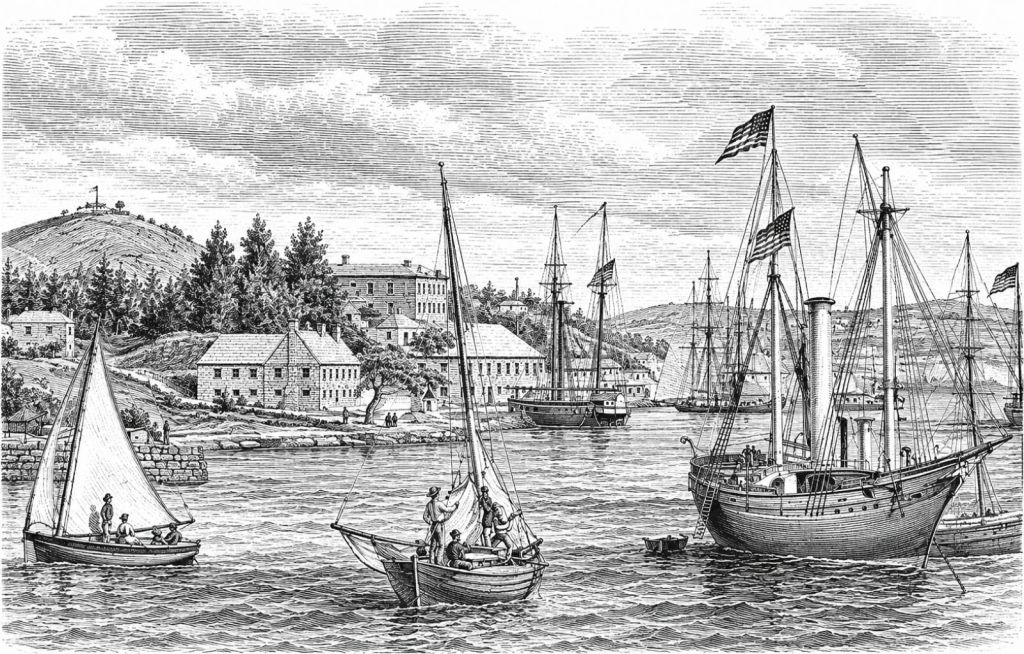
According to later testimony, he was also collecting the bedding and clothing of patients who had died. Why, you may ask? In April 1865, a man named Godfrey Joseph Hyams walked into the U.S. consulate in Toronto with an unusual report. Blackburn, he said, had hired him to smuggle wooden trunks of those garments from Bermuda into Boston, Philadelphia, Washington, and the Union-occupied ports of New Bern and Norfolk, and to sell the contents to used-clothing dealers. The goal was to create an epidemic behind Union lines. Hyams also claimed Blackburn had packed a valise of fine dress shirts to be delivered to President Lincoln as a gift from an anonymous admirer. Hyams refused the errand.
Two days later, as we know well, Abraham Lincoln was shot by John Wilkes Booth. Federal officials, eager to tie the assassination to Jefferson Davis and his agents in Canada, took Hyams seriously. So did authorities in Bermuda, who had separate information that Blackburn had left three more trunks with a St. George’s hotel keeper named Edward Swan, to be shipped to New York City the following spring. They raided the hotel, found the trunks, and reported stains consistent with the “black vomit” of late-stage yellow fever. The contents were soaked in sulfuric acid and buried.
Canadian police arrested Blackburn on May 19, 1865. Under British law a conspiracy-to-murder charge required a head of state as the intended victim, so he was tried instead for violating Canadian neutrality. In October 1865 a Toronto court acquitted him on the grounds that the trunks had moved through Nova Scotia, outside its jurisdiction. Blackburn never testified. Years later he dismissed the whole affair as “too preposterous for intelligent gentlemen to believe.”
The story is even more complex, as historians still disagree about how strong the case was. Hyams was paid for his testimony and granted immunity, several witnesses were men of doubtful character, and many relevant records have been lost. The accusations also arrived at the height of post-assassination suspicion of anything Confederate. On the other side, at least one leading historian of the Lincoln assassination argues that enough evidence survives to establish Blackburn’s role, and to show that senior Confederate officials knew of and financed the scheme.
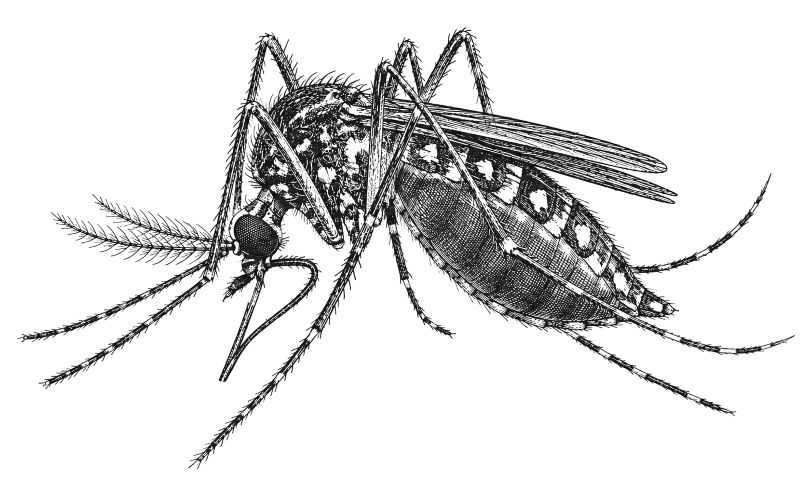
One thing is not in dispute. The plan could never have worked. Yellow fever does not travel on cloth; it is carried by the Aedes aegypti mosquito, a link confirmed by a U.S. Army commission decades later in 1900. Blackburn shared the common belief of his era that the disease spread by contact. The science tells us the trunks were harmless. It says nothing about what the man who packed them intended.
“The Hero of Hickman,” 1867–1879
Blackburn stayed in Canada to avoid federal prosecution. In September 1867, hearing of yellow fever in New Orleans and along the Texas coast, he wrote to President Andrew Johnson asking permission to come home and help. He crossed the border without waiting for a reply, which never came. No one arrested him. After living for a period on an Arkansas plantation owned by his wife, he settled in Louisville, Kentucky, in 1873.
For the next five years he rebuilt his name. During Louisville’s 1873 cholera outbreak he argued, correctly, that contaminated water spread the disease and urged residents to boil it, advice most ignored in favor of the prevailing miasma theory, which blamed “bad air.” He treated yellow fever in Memphis, Tennessee, in 1873 and Fernandina, Florida, in 1877, again declining payment. In early 1878, while beginning a campaign to run for governor, he persuaded the General Assembly to create a state board of health.
That September, the mayor of Hickman, a small Mississippi River town in Kentucky’s far west, telegraphed the new board for help. Roughly a fifth of the town was sick with yellow fever. Blackburn arrived within days, organized cleanup crews, left when the outbreak seemed to wane, and came back when it surged again into nearby Fulton. When it finally ended, Louisville fêted him for weeks as the “Hero of Hickman.” The Democratic nomination for governor followed, 935 delegates to 22.
The Bermuda story resurfaced during the 1879 campaign, when the Cincinnati Gazette assigned a team to investigate it and Northern papers mocked him as “Dr. Blackvomit.” The attacks gained little ground in Kentucky. The Louisville editor Henry Watterson judged that most Kentuckians already knew what Blackburn had done during the war and either approved or no longer cared. He won with 56 percent of the vote, the largest Democratic margin in a decade.
Governor Blackburn and the Frankfort Penitentiary
The prison in Frankfort that Blackburn inherited was a public health disaster. By his count, 953 inmates were crowded into 780 cells. Three-quarters of the prisoners suffered from scurvy, and the annual death rate exceeded seven percent. Blackburn compared the place to the Black Hole of Calcutta.
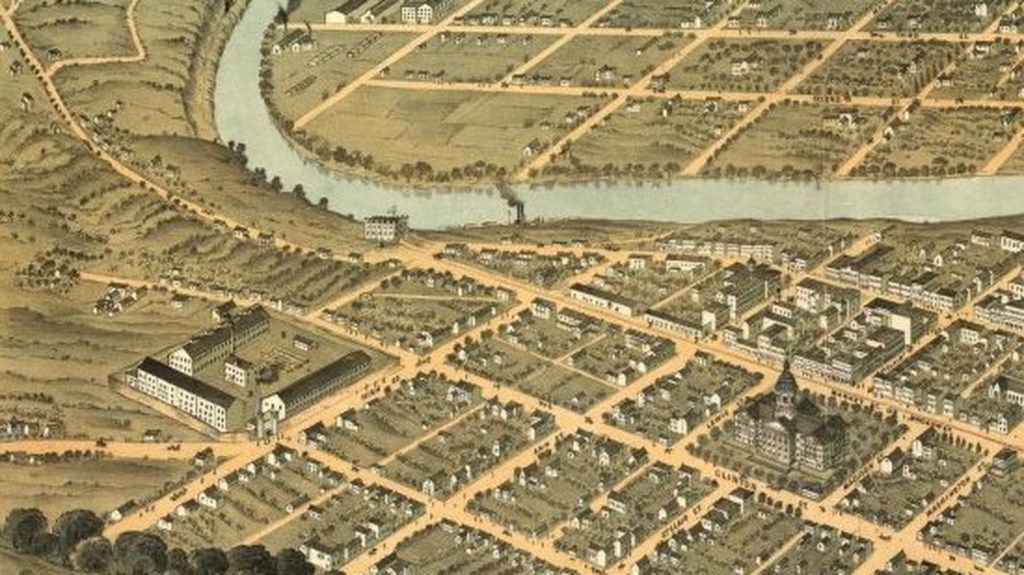
Much of the problem came from what the marker calls the “lessee system.” For decades, Kentucky had not run its own penitentiary. Instead, the legislature leased the entire prison to a private businessman, the lessee, who paid the state for the privilege. In return he fed, clothed, and guarded the prisoners, and he kept the profits from their labor. Every dollar he saved on food, blankets, or medicine was a dollar in his pocket. Lessees kept legislators friendly with perks such as free meals and cheap laundry service. One longtime lessee, Jeremiah South, was said to control the legislature as firmly as he controlled the convicts.
Before the legislature acted, Blackburn used the tool already in his hands: the pardon. He favored clemency especially for the incurably ill, so they could go home to die with their families. Over his term he pardoned more than a thousand people, among them, in 1883, Lexington’s most famous madam, Belle Brezing, convicted of keeping a “bawdy house.” Critics called him “Lenient Luke,” and some newspapers claimed he sold pardons for two dollars apiece, a charge for which no evidence has been found.
In 1880 the General Assembly approved the reforms the marker describes: a new penitentiary at Eddyville, a state-employed warden and staff to replace the lessee at Frankfort, and the state’s first rudimentary parole process. His administration also reorganized the Agricultural and Mechanical College at Lexington under state control, the institution that would become the University of Kentucky. The marker records his standing as a reformer, and a biographer’s description of him as the father of prison reform in Kentucky has followed him ever since.
What “Abolition of the Lessee System” Left Out
The marker’s reverse says abolition of the lessee system “soon followed.” That is accurate for the arrangement it names: after 1880, no private lessee ran the Frankfort penitentiary. But as a way of relieving overcrowding, the same legislature allowed private contractors to lease prisoners’ labor for work outside the walls, with the contractors responsible for feeding, housing, and caring for the men in their charge. There was little oversight. Malnutrition, overwork, and beatings followed, and some prisoners were injured or killed.
In other words, one form of private profit from prisoners ended while another expanded. Kentucky’s arrangement developed alongside the convict-lease systems spreading across the postwar South, where leased labor in mines, on railroads, and on farms fell overwhelmingly on Black prisoners. The marker’s single sentence reads as the end of a story that in fact continued for decades. The questions raised in Frankfort in 1880, about who profits when prisons are run for profit and who watches the operators, have not gone away.
Blackburn’s reforms made him unpopular at home. Party leaders resented his pardons and his refusal to hand out state jobs as rewards for party loyalty. When he rose to defend his record at the 1883 Democratic convention, boos nearly drowned him out. He answered that anyone who accused his administration of corruption was a “liar—a base and infamous liar”!
Conversely, that September, at the National Conference of Charities and Correction in Louisville, the New Orleans novelist George Washington Cable, author of The Grandissimes, praised Blackburn’s prison reforms before a national audience. Cable came to that meeting with a paper condemning the convict-lease system across the South.
Kentucky Village, 1897–1972
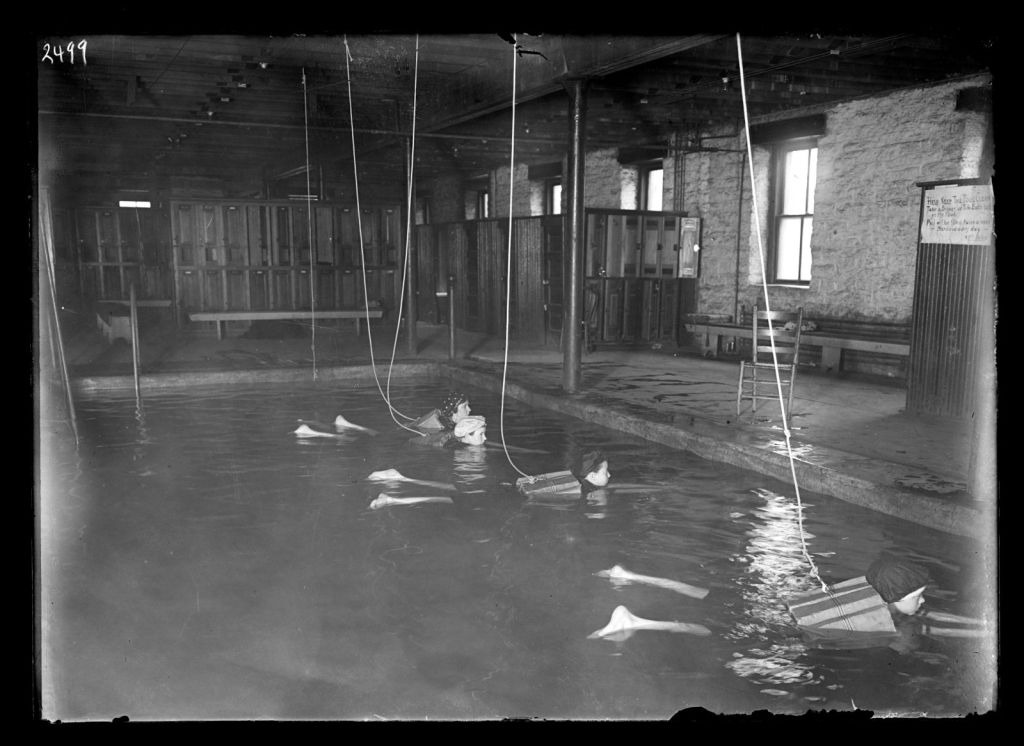
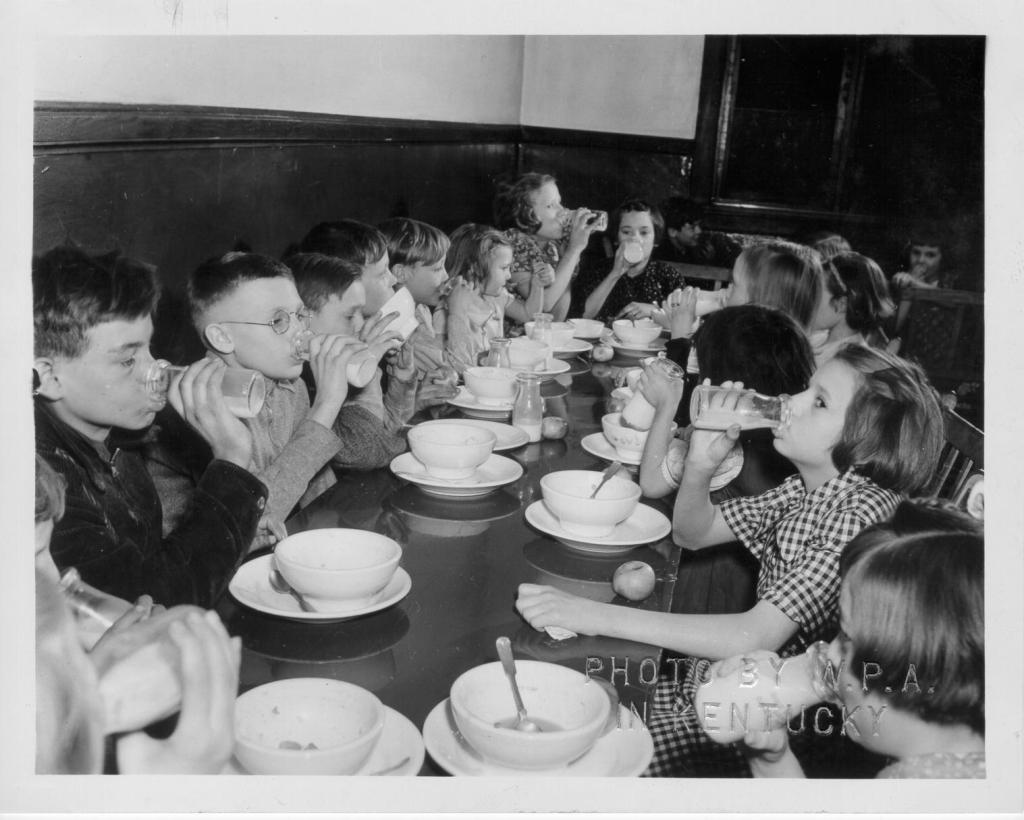
The prison that now carries Blackburn’s name began as something else. In 1897 the legislature established the Kentucky House of Reform on 200 acres at Greendale in Fayette County. Boys and girls from eight to twenty-one were sent there and put to work on the farm and in a rock quarry; formal vocational training did not begin until the late 1940s. Whippings, solitary confinement in “the hole,” and leg chains weighted with thirty-five pounds were used to keep order.
The institution was later renamed Kentucky Village, though many knew it as the Greendale Reform School. In 1970, early in his term, Governor Louie B. Nunn paid a surprise visit and was appalled by what he found. The state moved juveniles to a system of regional centers organized by age and offense, and the Greendale grounds were turned over to the adult corrections system. The minimum-security prison that opened there in 1972 was named for Luke Blackburn, and this marker followed in 1973. Today it is the state’s largest minimum-security institution for adult men.
The Good Samaritan
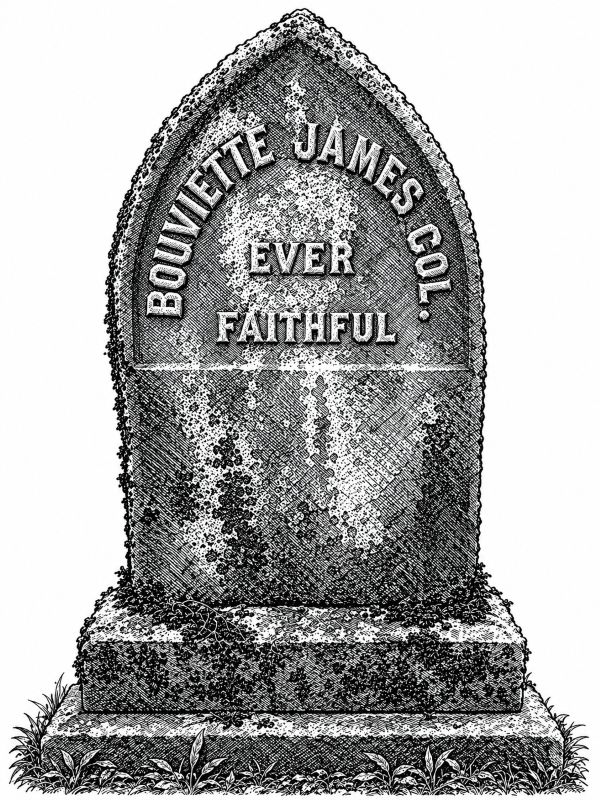
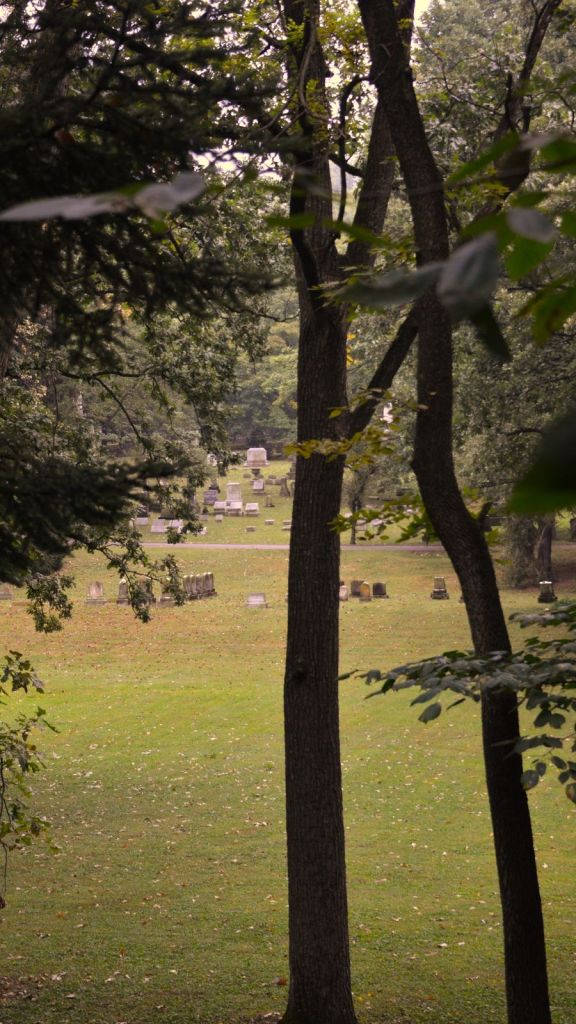
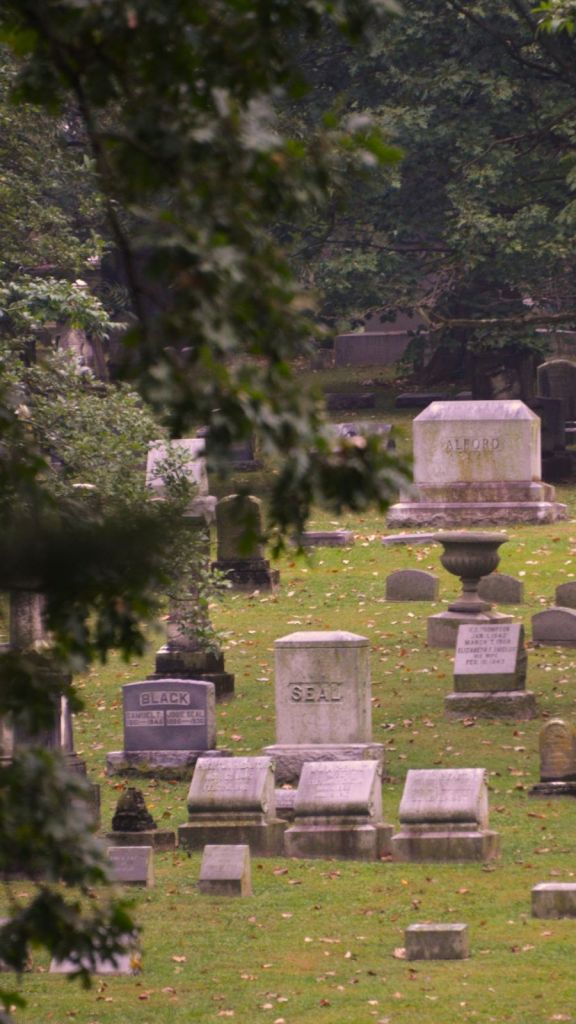
Blackburn left office in 1883 and returned to medicine in Louisville. There he opened and ran a sanatorium, a private residential hospital where patients with long-term illnesses came for rest and extended care, near Cave Hill Cemetery on the city’s east side. It struggled as his own health failed. In January 1887 he went back to Frankfort, the city he considered home, and died there on September 14. In 1891 the Commonwealth placed a granite monument over his grave in Frankfort Cemetery. Its bas-relief depicts the Parable of the Good Samaritan.
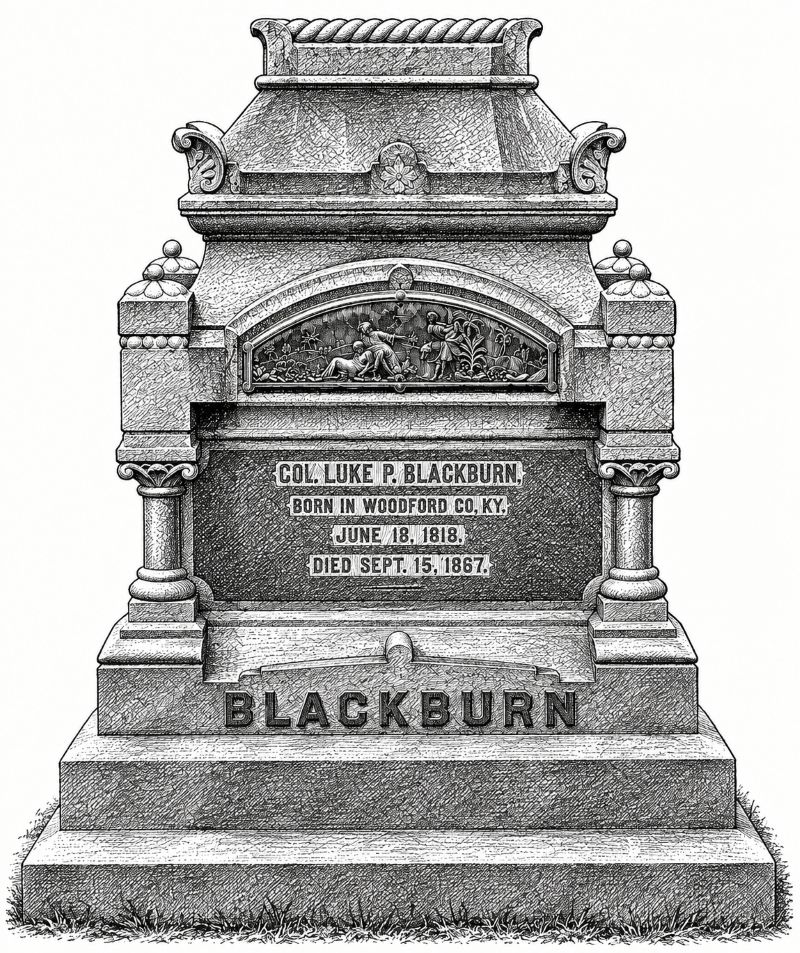
Ninety years apart, the state honored him twice, once with a monument to his mercy and once with a prison named for his reforms. Neither mentions the events in Bermuda.
Sources consulted: Kentucky Historical Society Marker Database (No. 1466); Historical Marker Database (HMdb) entry for Marker 1466; Kentucky Historical Society, Kentucky Ancestors, “The George Blackburn Family of Leaders”; The Kentucky Encyclopedia (University Press of Kentucky); Luke Pryor Blackburn: Physician, Governor, Reformer (University Press of Kentucky, 1979); Kentucky’s Governors (University Press of Kentucky); National Governors Association, governor biography; Science History Institute, “Yellow Fever Fiend”; “The ‘Yellow Fever Plot’: Biological Warfare in the American Civil War” (PubMed Central); Southern Poverty Law Center, “Criminalizing Blackness: Prisons, Police and Jim Crow”; Kentucky Historic Institutions, “Kentucky House of Reform”; Kentucky Department of Corrections, Blackburn Correctional Complex.