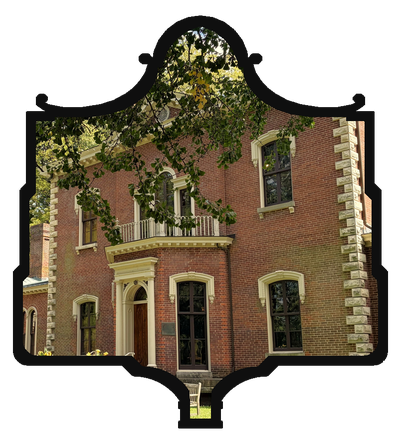
Companion piece to “Madeline McDowell Breckinridge,” reMARKable Kentucky
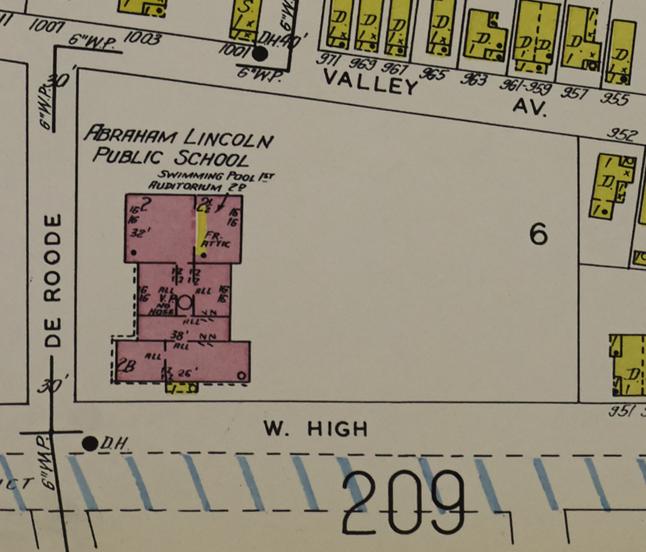
Location: The former site of Abraham Lincoln School stood on W. High Street near De Roode Street and Valley Avenue, in the Irishtown neighborhood of Lexington, a few hundred feet from the heart of Davis Bottom. Nothing of the building remains today; the site was absorbed into the West High Street viaduct in the 1970s.
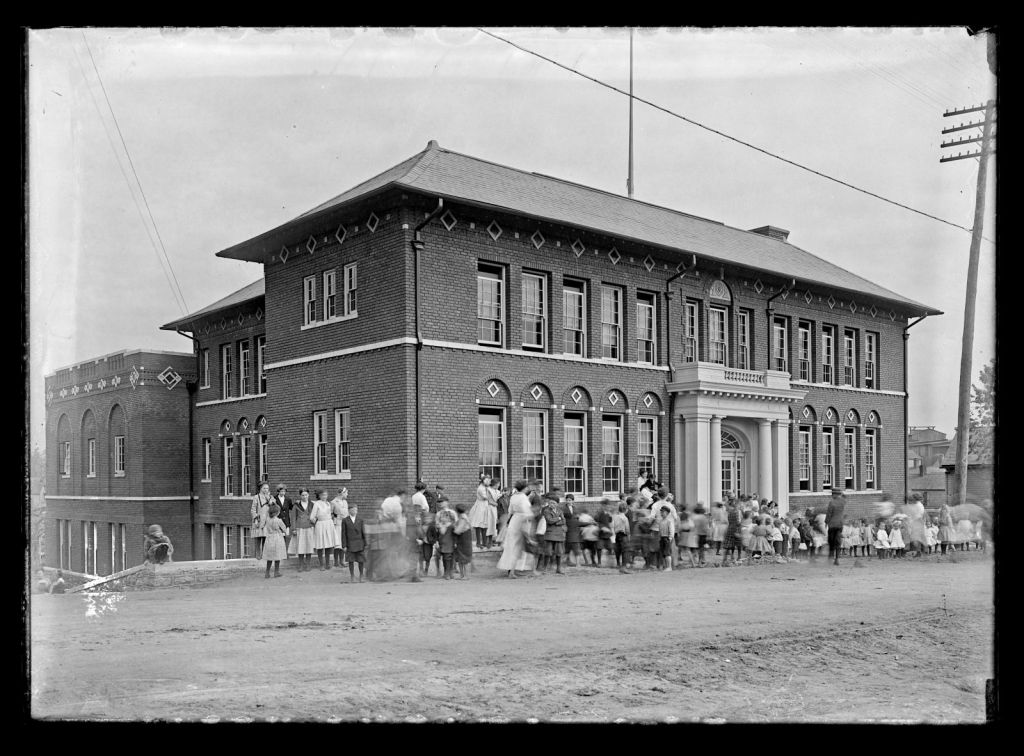
In 1908, Lexington’s Board of Education set aside $10,000 to build a public school in a low-lying, working-class neighborhood on the western edge of downtown known as “Irishtown.” The woman who turned that modest appropriation into something remarkable was Madeline McDowell Breckinridge, Henry Clay’s great-granddaughter, a leading voice in Kentucky’s women’s suffrage movement, and president of Lexington’s Civic League. Breckinridge raised an additional $30,000 from private donors around the country to build the school properly. Among the patrons who wrote a check was Robert Todd Lincoln, the only surviving son of Abraham Lincoln.
It is a detail almost too neat for fiction: a school named for the president who signed the Emancipation Proclamation, partly funded by his own son, opened its doors in 1912 — and did not allow admission to Black children for the entirety of its fifty-five years as a public school.
More Than a Schoolhouse
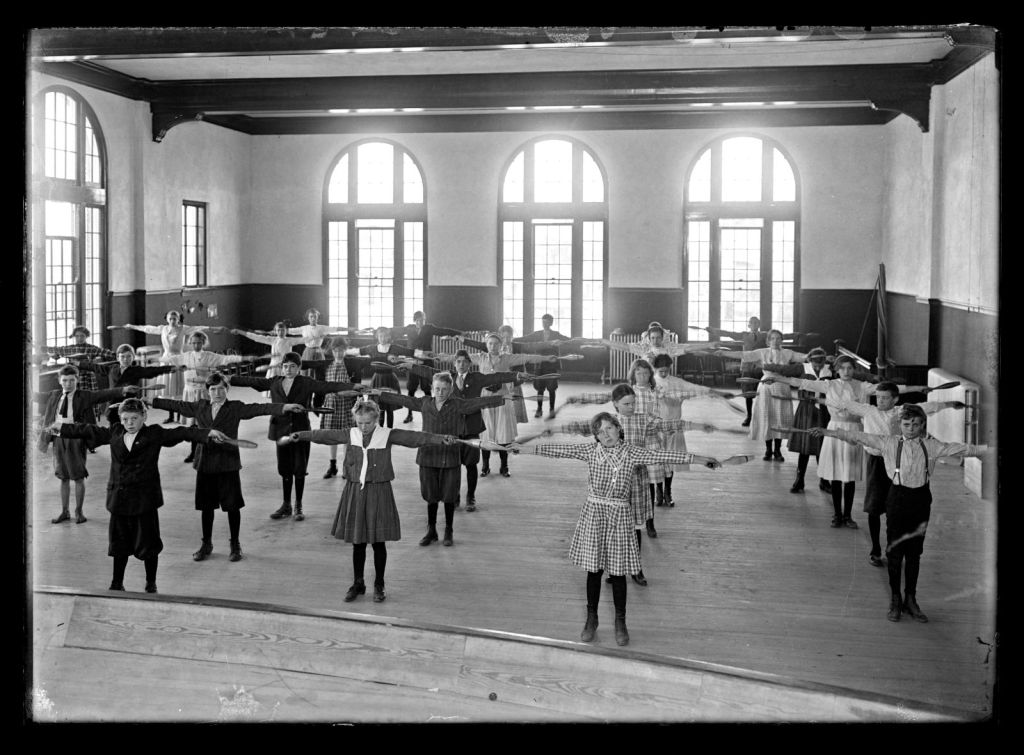
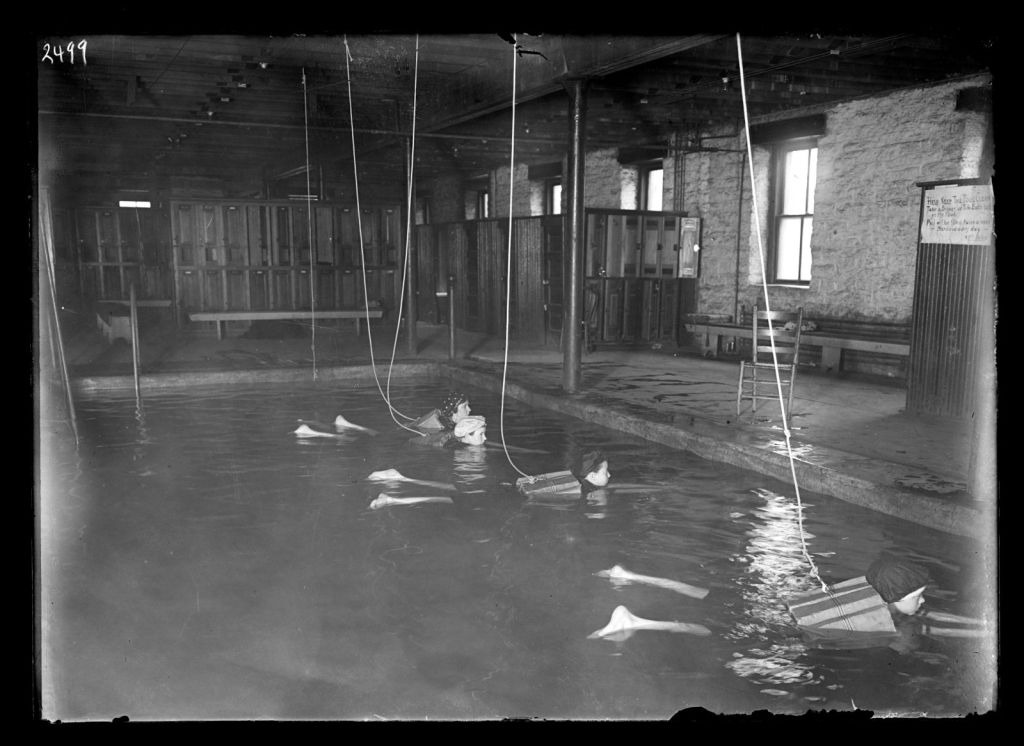
The Lincoln School was built as a “settlement” school, a Progressive-era model that treated education as one piece of a much larger neighborhood mission. It served kindergarten through sixth grade, but its footprint went far beyond the classroom: a playground, a swimming pool, a carpenter’s shop, a kitchen and sewing room, a rooftop garden, a neighborhood laundry, a circulating library, and a domestic science department. The auditorium doubled as the social center of Irishtown, hosting public meetings, dances, and movies. Camp Fire Girls, a Mother’s Club, and an Athletic Club all met there.
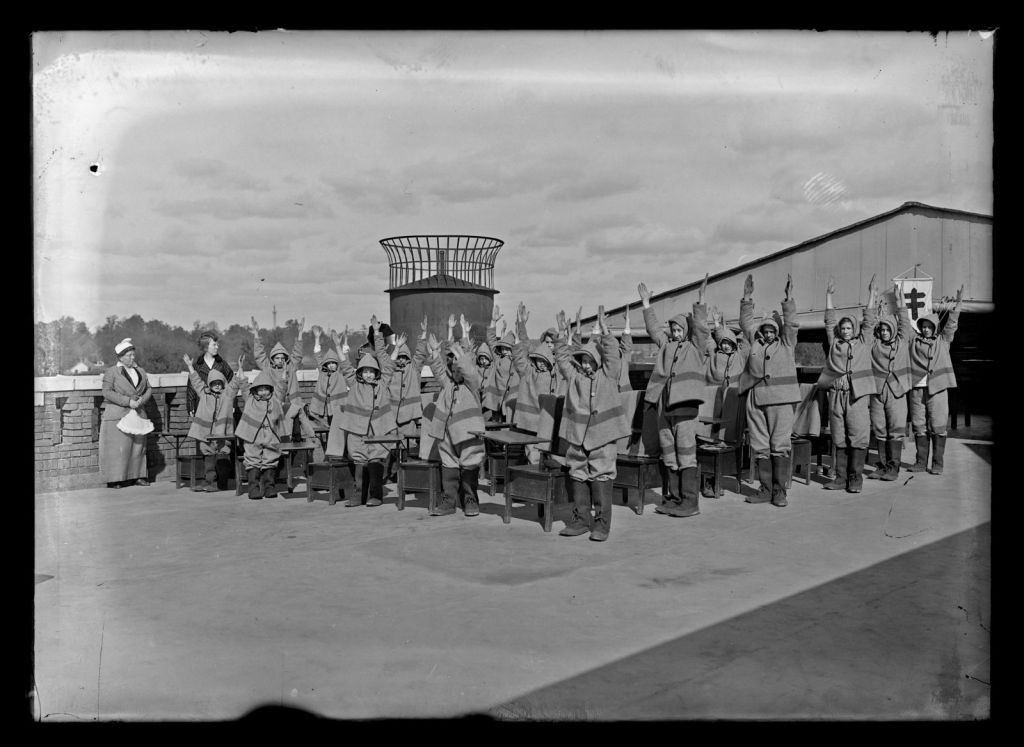
The school also housed genuinely innovative programs for its era. An Open Air School, a rooftop classroom exposed to fresh air, part of a broader early-twentieth-century effort to protect vulnerable children from tuberculosis. Lincoln also had one of the first Montessori classrooms in the region. One of the more charming glimpses of daily life comes from a lesson called “Ordering from the Grocer,” in which children practiced arithmetic and household economy under the guidance of the school’s longtime principal, Miss Betsy Cloud — who, fittingly, was a close friend of Breckinridge’s and celebrated a birthday one year at Ashland itself, surrounded by some of Lincoln’s first pupils and their mothers.
A Lifeline During the Depression
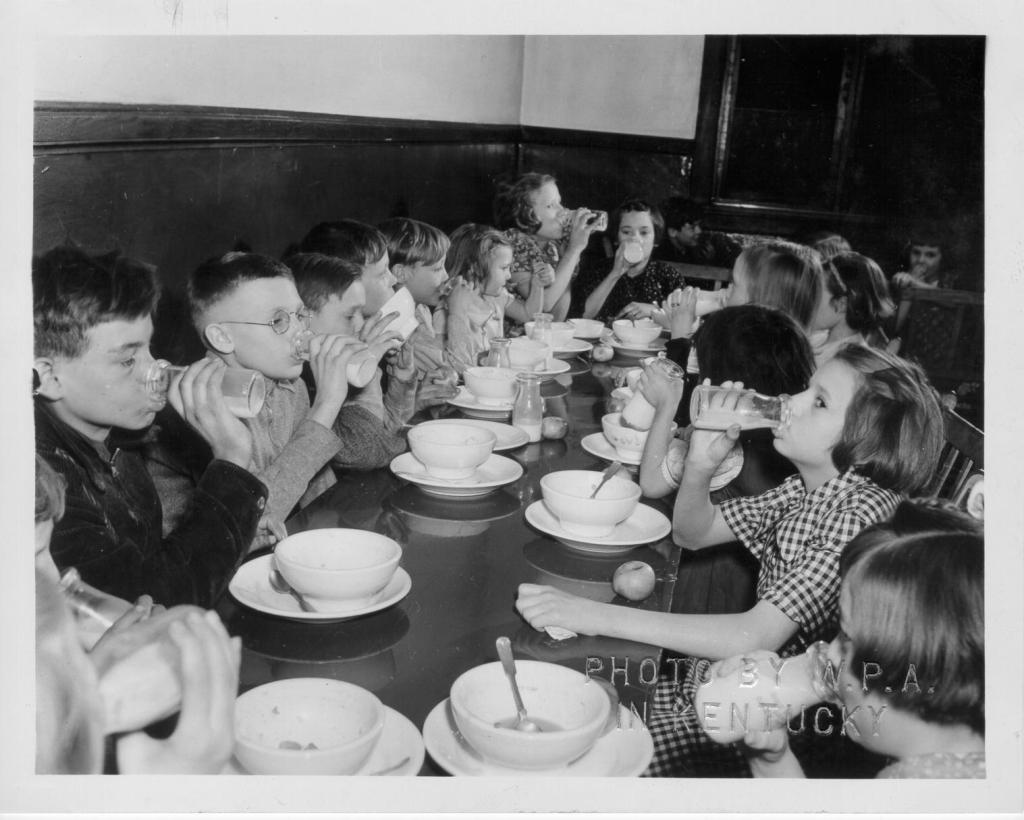
The Lincoln School’s community mission mattered most when Davis Bottom and Irishtown could least afford to go without it. During the Great Depression, the federal Works Progress Administration funded a free nursery school and a free lunch program for neighborhood children at Lincoln. For families in one of Lexington’s poorest neighborhoods, it was not a small thing. Mary Laffoon, who grew up on De Roode Street within sight of the school, later recalled that during hard times, no child went without, she put it simply: “nobody went hungry.”
Named for Lincoln, Closed to Black Children
Here is the part of Lincoln School’s story that the settlement-house programming and Depression-era generosity can too easily obscure: none of it was available to Black children in Irishtown or Davis Bottom. Lexington’s public schools were segregated by law throughout Lincoln’s entire operating life, and Lincoln School was no exception. The swimming pool, the Montessori room, the free WPA lunches, all of it existed behind a color line, in a neighborhood that was itself a mixed Black, white, and Appalachian community built by formerly enslaved people and their descendants starting in the 1860s.
This is worth consideration rather than rushing past. Progressive-era reform and Jim Crow segregation were not opposing forces in early-twentieth-century Kentucky — they ran side by side, often championed by the same civic-minded reformers. Breckinridge’s suffrage work and her settlement-school philanthropy were both, by the standards of 1912, genuinely progressive. Neither one extended to Black children two streets over.
Erasure by Viaduct
Abraham Lincoln School stayed open until 1967, when Lexington’s Board of Education closed it over the objections and lawsuits of neighborhood residents who wanted their community school kept open. The building sat vacant for several years afterward. In 1974, the state’s Bureau of Highways purchased it, and it was demolished to make way for the expansion of the West High Street viaduct. The school that had anchored Irishtown for over half a century disappeared into a road-widening project, the same quiet, bureaucratic fate that would later claim much of Davis Bottom itself during the Newtown Pike Extension.
Today there is no marker, no plaque, no trace of Lincoln School at De Roode and W. High. The Sanborn fire insurance maps are one of the few surviving records that show exactly where it stood, a pink rectangle denoting it’s brick structure labeled “Abraham Lincoln Public School,” with its swimming pool and auditorium dutifully noted by an insurance surveyor who had no way of knowing the building would be gone within a few decades.
The Irony, Named
This article exists as a companion to reMARKable Kentucky’s article on Madeline McDowell Breckinridge, whose official state historical marker credits her with the passage of Kentucky’s ratification of the 19th Amendment. That marker says nothing about Lincoln School, and Lincoln School has no marker of its own. But the two stories are inseparable: a public reformer, celebrated today for expanding democracy to women, built a school named for the Great Emancipator — funded in part by his own son — that spent every year of its existence turning away Black children. Understanding Breckinridge’s legacy honestly means holding both halves of that record at once.
Sources consulted: The Davis Bottom History Preservation Project / Kentucky Archaeological Survey, “Abraham Lincoln School” (anthropology.as.uky.edu); Sophonisba Preston Breckinridge, “Madeline McDowell Breckinridge: A Leader in the New South” (University of Chicago Press, 1921); Mildred Watson and Mary Ferguson, “The History of Lincoln School” (1930); Kentucky Archaeological Survey, “General History,” Davis Bottom Project; Library of Congress Sanborn Fire Insurance Maps, Lexington, Fayette County, 1934–1950 (sanborn03200_006, sanborn03200_007); Louis Edward Nollau F Series, Goodman-Paxton, and Laffoon Photographic Collections, Special Collections, University of Kentucky.



I’m eager to hear what you think