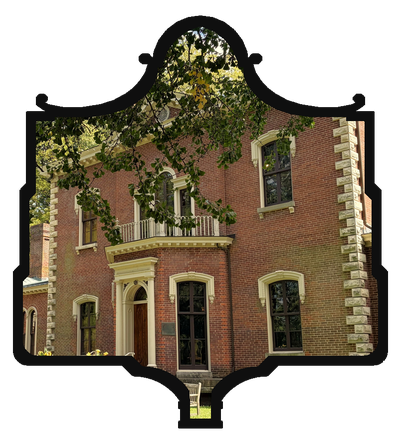
A companion article to Marker No. 1550: Lexington Cemetery.
Lexington Cemetery holds more than 64,000 burials on its 170 rolling acres, and a walk through it doubles as a walk through the city’s identity, at least the version it chose to carve in stone. This is the first of two companion articles built around Marker No. 1550. It covers the politicians, generals, and public men whose names dominate the cemetery’s own tours and literature. A second article turns to the women who built parallel legacies here, and to the one enslaved woman whose grave still bears the language of the family that owned her.
Henry Clay (1777–1852)
No monument in the cemetery outranks Clay’s. The 120-foot column topped by his statue was built to be seen from most of the grounds, a fitting scale for a man who ran for president three times and never won yet shaped the country’s course anyway. Clay earned the nickname “the Great Compromiser” for brokering the Missouri Compromise and the Compromise of 1850, deals that postponed civil war by trading away the freedom of enslaved people in new territories. He held more than a hundred enslaved people at Ashland during his lifetime, freeing some in his will while keeping others in bondage. His 1852 funeral procession reportedly stretched two miles long, a public outpouring that tended to crowd out the more contentious parts of his record.
John C. Breckinridge, Maj. Gen., CSA (1821–1875)
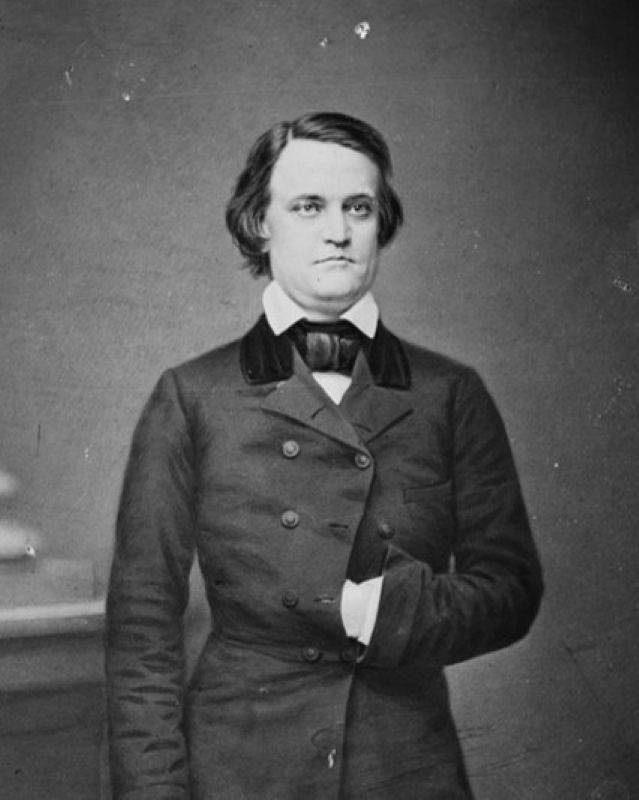
At 36, Breckinridge became the youngest vice president in U.S. history, serving under James Buchanan before running for president himself in 1860 as the candidate of the Southern Democrats. When the war came, he chose the Confederacy, entering as a brigadier general before earning his second star after Shiloh, and eventually serving as the Confederacy’s last Secretary of War before fleeing the country ahead of a treason charge. His statue stood downtown on the old courthouse lawn for more than a century before the city moved it to the cemetery in 2018, part of a broader reckoning with Confederate monuments in public space. Here, among the dead rather than the courthouse steps, the statue reads less as an endorsement and more as an artifact.
John Hunt Morgan, Brig. Gen., CSA (1825–1864)
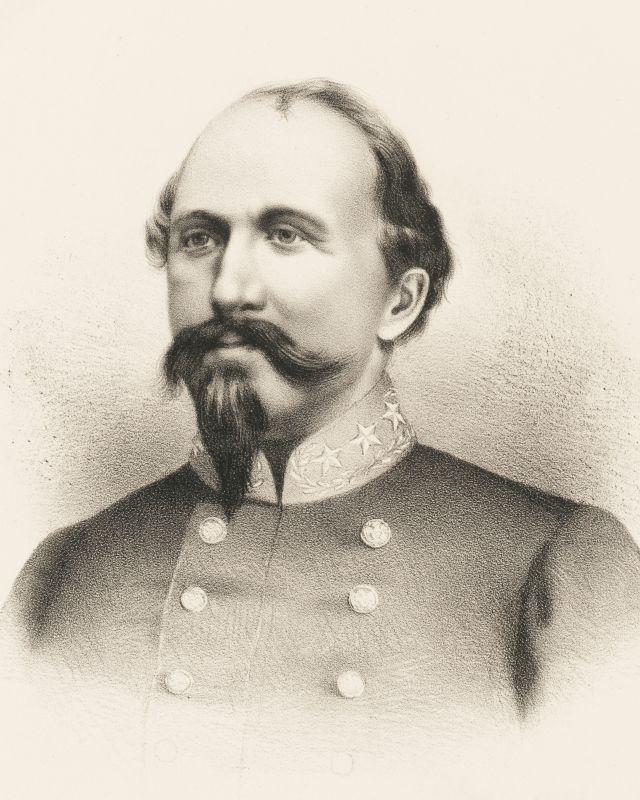
Morgan’s Confederate cavalry earned him the nickname “the Thunderbolt of the Confederacy” for lightning raids deep into Union territory, most famously the 1863 raid that extended into Ohio and Indiana before Union forces ran him down. Captured and imprisoned at the Ohio Penitentiary, he escaped by tunneling out with a group of fellow officers, only to be killed the following year in a raid on Greeneville, Tennessee. His mother, Henrietta Hunt Morgan, employed an enslaved woman named Bouviette to raise her children at the family’s Hopemont estate, a connection the second companion article takes up directly.
Gordon Granger, Maj. Gen., USA (1822–1876)
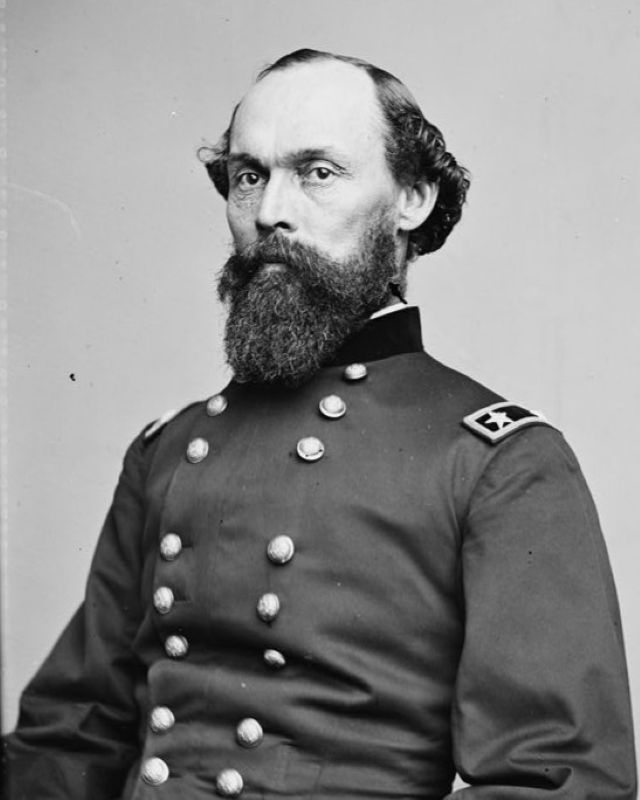
Granger fought for the Union, and his presence in a cemetery otherwise thick with Confederate memory is its own quiet fact about Kentucky’s divided loyalties. He is remembered today less for his battlefield record than for a single order he issued as commander of the Department of Texas: General Order No. 3, read aloud in Galveston on June 19, 1865, informing enslaved Texans that the war had ended and they were free. That date became known as Juneteenth. Granger’s grave rarely gets top billing on cemetery tours built around Clay and the Confederates, though his order arguably outlasted most of what they’re remembered for.
Adolph Rupp (1901–1977)
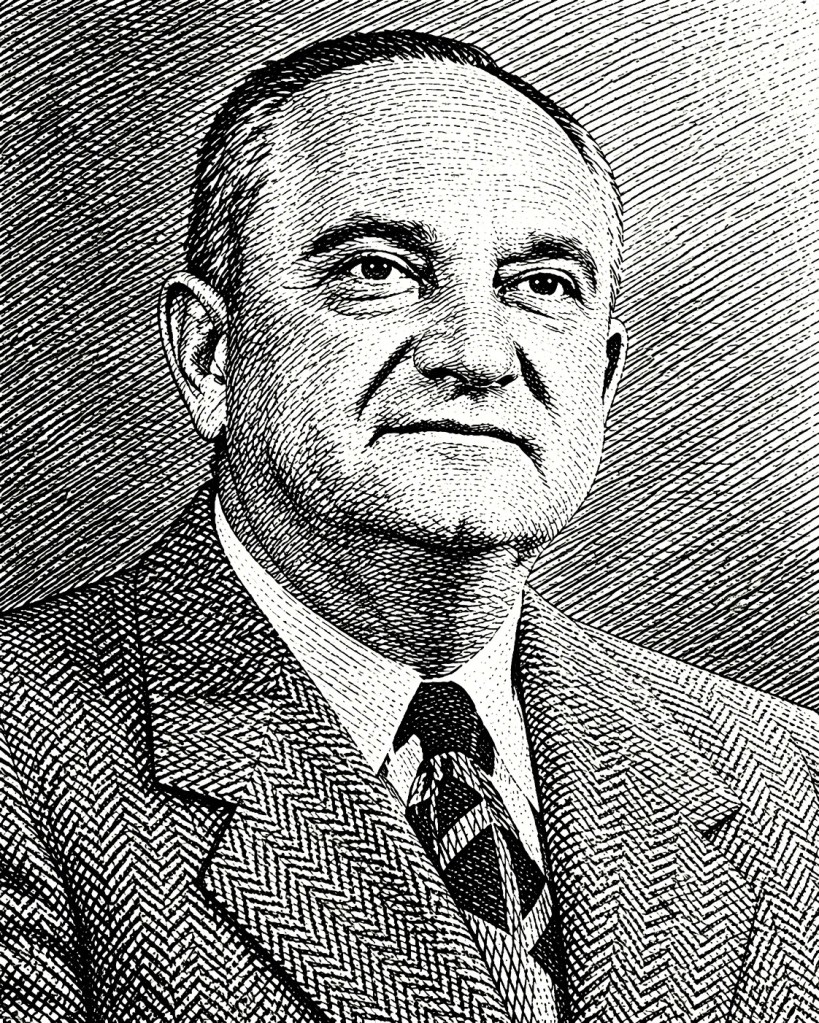
Rupp coached University of Kentucky basketball for 42 years and won four men’s NCAA championships, cementing his reputation as one of the sport’s great tacticians. That reputation carries an asterisk. Rupp’s UK teams remained all-white deep into the 1960s, well after most major programs had integrated, and his 1966 squad’s loss to an all-Black starting five from Texas Western in the NCAA championship game is remembered today as a landmark moment in the sport’s slow reckoning with segregation, not a footnote to Rupp’s career but a central part of it.
James Lane Allen (1849–1925)
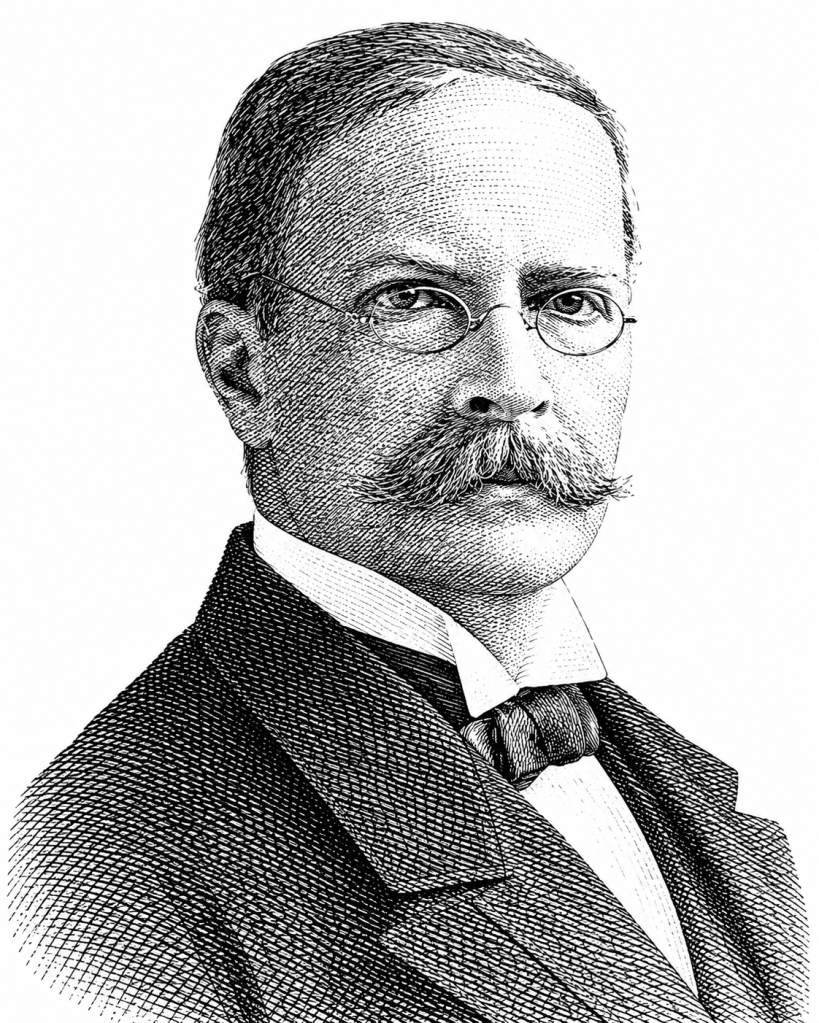
Allen made his name writing “local color” fiction set in the Bluegrass, and his 1891 collection “Flute and Violin” preserved the legend of William “King” Solomon, whose own entry closes out this article, for a national readership. He’s also named directly on Marker No. 1550’s own inscription, one of the few overlaps between the plaque text and this deeper roster.
John McMurtry (1813–1890)
A self-taught architect-builder, McMurtry left his mark across 19th-century Lexington, including the cemetery’s own Gothic gatehouse. Credit for buildings like his tends to rest with a single named designer, though the skilled labor of enslaved and free Black tradesmen commonly built structures like these throughout the antebellum South, a pattern worth remembering even where the specific crews on a given job have gone unrecorded.
Dr. Benjamin Winslow Dudley (1785–1870)
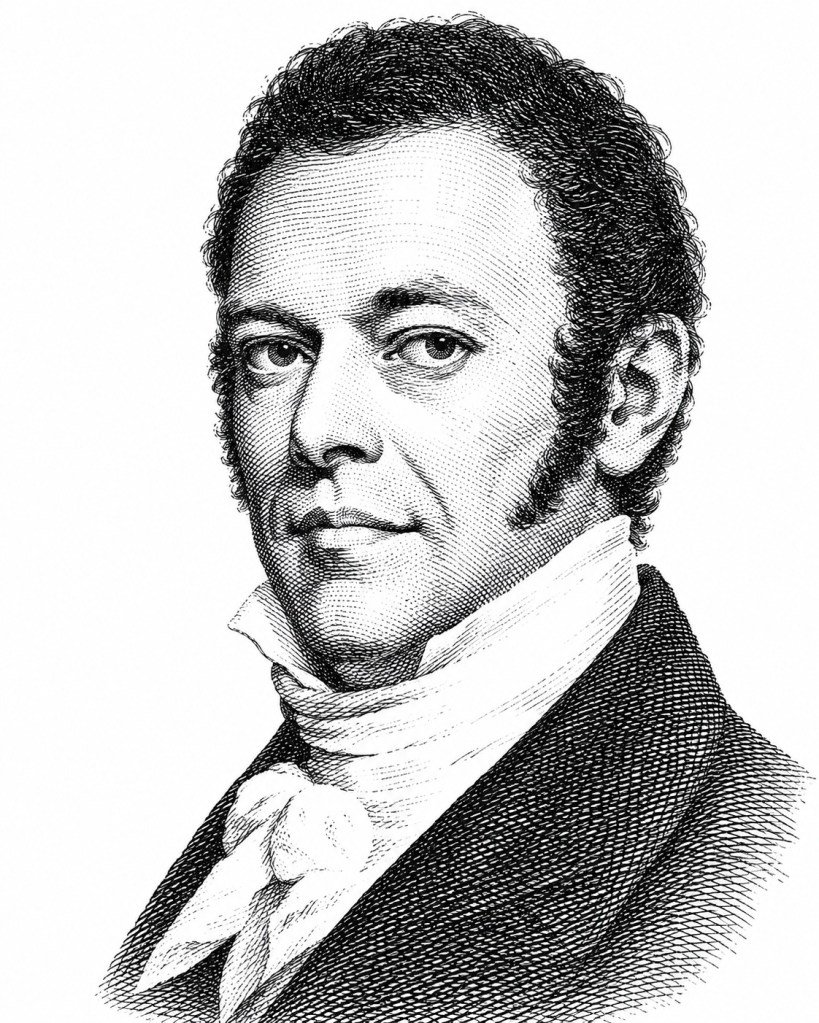
Dudley was among the few Lexington physicians who kept working through the 1833 cholera epidemic rather than fleeing the city, and he built a national reputation for pioneering surgical techniques, including early bladder-stone removal and brain surgery. Surgical advances of this era, in Lexington and elsewhere, sometimes came at an ethically fraught cost: the era’s medical case records don’t always make clear whether the enslaved and poor patients who often served as subjects for developing new techniques could meaningfully consent.
William “King” Solomon (1775–1854)
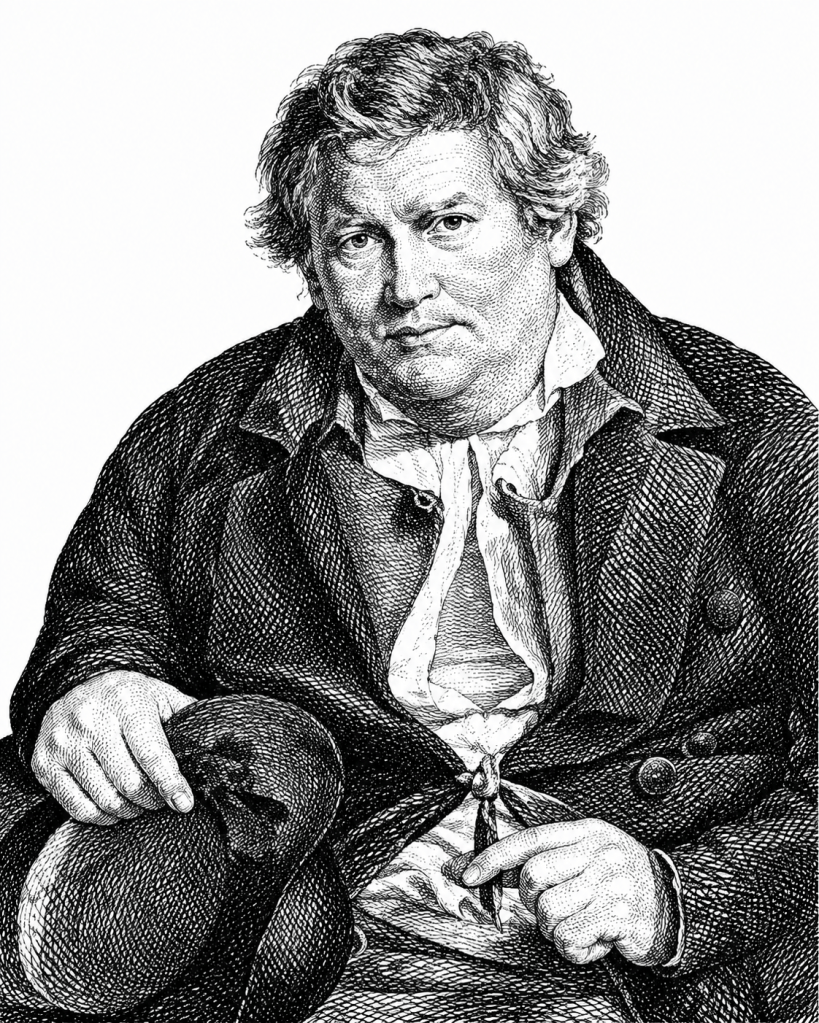
Solomon inverts the roster’s usual power dynamic more than any other name here. Once a man of “considerable enterprise,” in the words of the minister who buried him, he sank into debt and drink until he was auctioned off as an indentured servant, purchased by a free Black woman named Charlotte. When cholera hit Lexington in 1833 and a third of the population fled, Solomon stayed and dug graves for the dead, work credited with saving the city from an even worse toll. He died in 1854 and was buried not far from his self-described “boyhood friend” Henry Clay, an odd echo of a friendship across a chasm of status that the era rarely allowed to run the other direction, a white man legally owned by a Black woman.
A Roster Written by the Winners
Read together, these ten lives sketch the version of Lexington that its cemetery was built to project: statesmen, generals, a coach, a novelist, an architect, a surgeon, and one broken man rehabilitated by crisis. It’s a real history, and worth telling. It’s also a curated one, weighted toward the men whose names ended up on statues and street signs. The companion article that follows takes up the other half of that ledger.
Sources consulted: Clio; Find a Grave; Smiley Pete Publishing; the Kaintuckeean; Kentucky Historical Society marker records; Wikipedia entries for Lexington Cemetery, John C. Breckinridge, John Hunt Morgan, Gordon Granger, and the 1833 cholera epidemic.



I’m eager to hear what you think