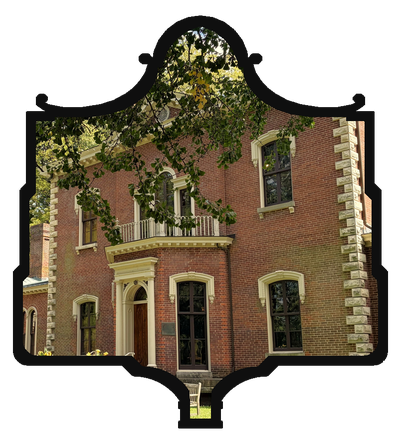
Note: This site also carries Marker No. 2235, “Ashland / Clay & Abraham Lincoln,” quoted in full later in this article.
“ASHLAND”
Historic Home of Henry Clay
Orator — Statesman — Patriot
Kentucky’s Favorite Son
Born 1777 — Died 1852Historical Markers Society, Marker No. 1
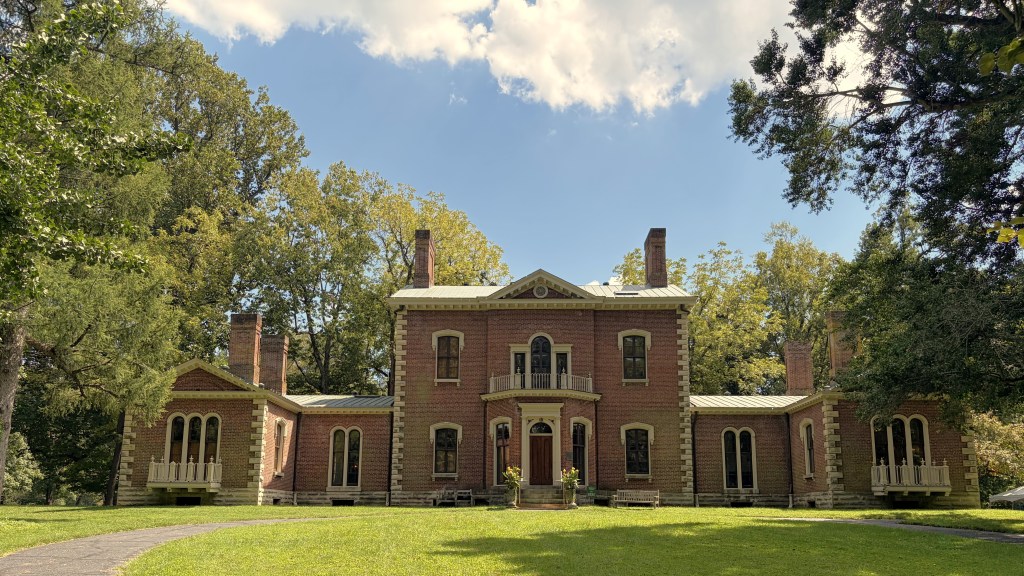
120 Sycamore Road, Lexington, Kentucky | 38° 1′ 43″ N, 84° 28′ 51″ W — Directions: MapQuest
There’s a certain irony in Kentucky’s first historical marker sitting quietly in a Lexington neighborhood, easy to drive past without noticing. But that’s exactly where marker #1 stands — not on a battlefield, not at the Capitol, but at the edge of a 17-acre estate called Ashland, the home Henry Clay built for himself over nearly five decades of American political life. If Kentucky was going to number its markers, it made sense to start here. Clay was, in his own lifetime, the closest thing the young Commonwealth had to a favorite son, and Ashland was where he came back to, again and again, between the fights that made him famous.
Origin of an Orator
Kentucky itself was barely out of its own infancy when Clay arrived. The territory had spent decades as Virginia’s westernmost county, and it took a string of ten conventions in Danville, KY before Congress finally consented to let it go: Kentucky broke away from Virginia and entered the Union as the fifteenth state on June 1, 1792 — the first state carved out west of the Appalachians. So, when Henry Clay showed up five years later, he wasn’t settling into some long-established place; he was arriving in a commonwealth that had only just learned to call itself one.
Clay was not a Kentuckian by birth. He arrived in Lexington in 1797, a twenty-year-old lawyer from Hanover County, Virginia, with more ambition than money. Two years later he married Lucretia Hart, daughter of a prominent Lexington family. The young couple settled into the kind of life that, for a man of Clay’s talents, was really just a launching pad. He was in the Kentucky legislature within a few years and in the United States Senate — filling an unexpired term, and improbably too young for the job under the Constitution — by 1806.
Lucretia was the daughter of Thomas Hart, a Lexington hemp manufacturer and land speculator whose family was already well established in the town’s business and political circles — a match that did the young lawyer’s prospects no harm. Henry and Lucretia married on April 11, 1799; the marriage lasted fifty-three years, until Clay’s death in 1852. They had eleven children together, and theirs was, by the standard of the day, an unusually large family — though it was marked by the era’s grim facts of childhood mortality: six of the eleven died before Lucretia did, several as children or young adults, including four daughters lost to illness within a few years of one another. A son, Henry Clay Jr., was later killed at the Battle of Buena Vista during the Mexican-American War, a conflict his father publicly opposed.
Lucretia is often described in passing as “plain” next to her famously charismatic husband, but that undersells her role. With Clay away in Washington for months or years at a stretch across four decades of public life, it was Lucretia who ran Ashland — the household, the farm accounts, the raising of the children — largely on her own. She outlived her husband by twelve years, dying in 1864, and is buried beside him in the Lexington Cemetery.
A Farm Named for Its Trees
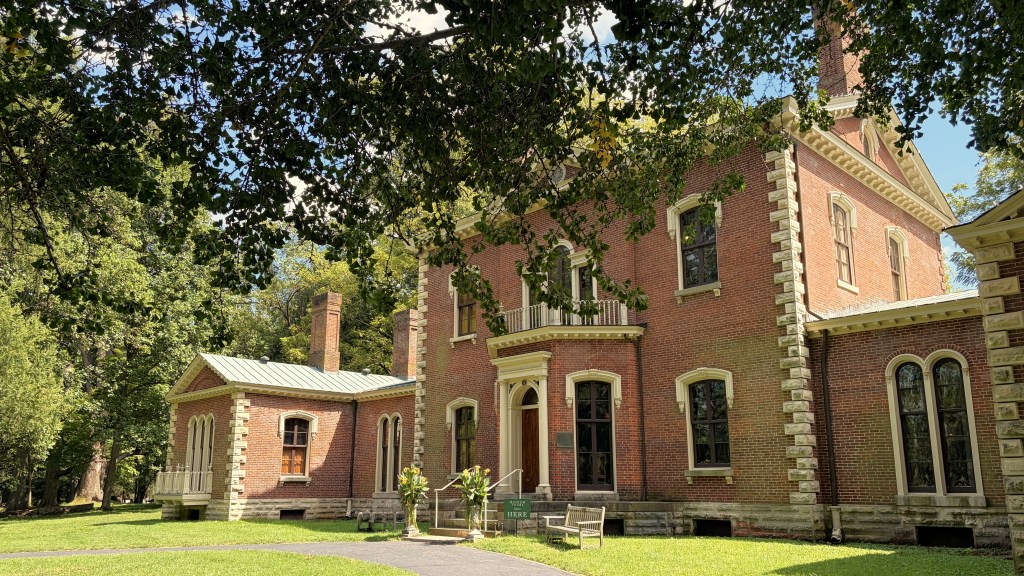
In 1804, before any of that had fully unfolded, Clay began buying land just outside town: rolling pasture and woods, thick with ash trees, that he would eventually call Ashland. The name is unpretentious for a man who was anything but — he simply named it for what grew there. By 1809 the center block of the house was finished, and Clay kept building, bringing in the notable Benjamin Latrobe — the same architect who designed the U.S. Capitol — to draw up wings that turned Ashland into a full five-part Federal-style mansion by around 1811.
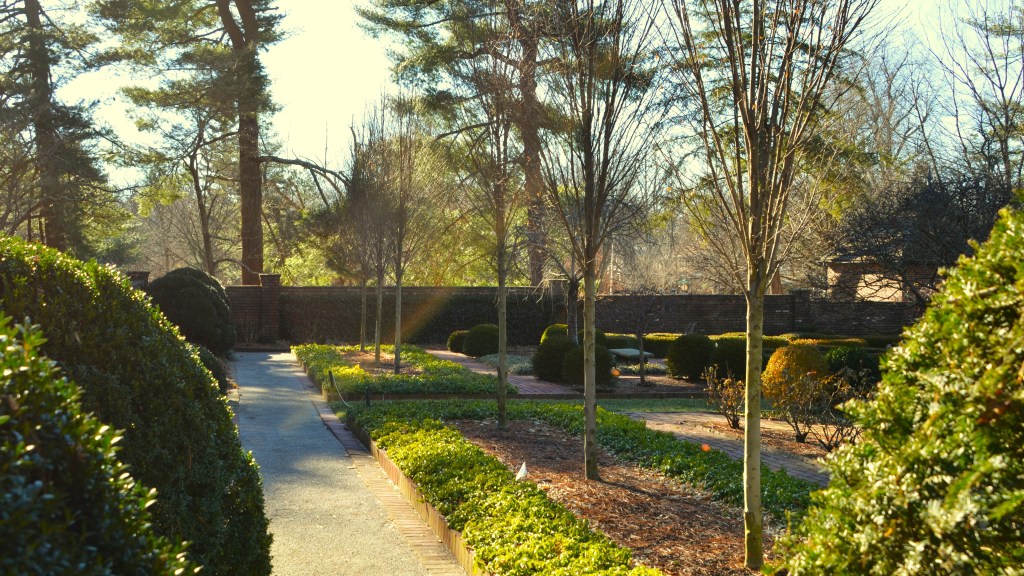
For the next forty-plus years, Ashland was less a retreat than a second capital. Clay ran it as a working farm — hemp, grain, cattle, prize livestock he bred and showed with the same competitive instinct he brought to the Senate floor — and by most accounts it genuinely was where he found peace between sessions of Congress. It’s worth being honest, though, about what made that peace possible. The house, the gardens, the crops that made Ashland profitable were built and worked by enslaved people. Clay owned dozens of enslaved people over his lifetime. He is remembered, fairly, for occasionally freeing individuals and for calling slavery a “necessary evil” that degraded poor whites as much as it wronged the enslaved — but he never freed his own workforce outright, and he died a slaveholder. Any honest telling of Ashland has to include both halves of that story: the elegant Federal mansion and the labor that built and made it operate.
The Man Behind the Marker
The marker calls Clay “Orator — Statesman — Patriot,” and none of the three is an exaggeration. Clay’s career reads almost like a checklist of nineteenth-century American power: U.S. Representative for the better part of three decades, Speaker of the House multiple times, Senator across four separate occasions, Secretary of State under John Quincy Adams. He ran for president three times — 1824, 1832, 1844 — but never won, remarkable given how central he was to nearly every major political issue of his era.
Clay’s likeness circulated well beyond Kentucky, too. In 1869, the U.S. Treasury issued a $50 United States Note — a “legal tender” note from the colorful post–Civil War series collectors now call the “rainbow notes” — with Clay’s portrait on the right side of the obverse, alongside an allegorical figure holding a laurel branch. He also appeared on U.S. postage stamps more than once: a 12-cent stamp issued in 1870 and reissued in 1873, and a 15-cent stamp issued in the 1890s. Not bad company for a man who never won the presidency he wanted most.
He earned the nickname “the Great Compromiser” honestly. Across four decades in Congress, Clay had a rare talent for building coalitions between the country’s most bitterly opposed factions on the defining crisis of the era: whether and how slavery would spread into the nation’s new territories. He was the guiding hand behind two of the three great sectional compromises of the pre–Civil War period, the Missouri Compromise of 1820 and the Compromise of 1850, each of which pushed off a reckoning over slavery that many historians believe would otherwise have come sooner, and violently. The second of these came at the very end of his life. In 1850, at seventy-two and suffering from tuberculosis, an aging Clay rose in the Senate one last time to broker a settlement over the territories won from Mexico. He died two years later, in 1852, and became the first person to lie in state in the Capitol Rotunda.
For nearly fifty years, Henry Clay was one of a small handful of men Washington could not function without, and that he kept coming home, whenever he could, to the ash grove outside Lexington.
What’s Standing at Ashland Now
The house you can visit today isn’t, strictly speaking, the one Clay lived in. After his death, his son James found the original structure too deteriorated to save and rebuilt it in 1857 on the same footprint, in a similar style, using some of the original materials. After James Clay’s death in Canada in 1864, it was his widow, Susan Jacobs Clay, who sold Ashland in January 1866 to the Agricultural and Mechanical College of Kentucky University, the direct institutional ancestor of today’s University of Kentucky, before the estate eventually passed back into the Clay family in 1882, when Clay’s granddaughter, Anne Clay McDowell, and her husband bought it back. It was Anne’s granddaughter, Nannette McDowell Bullock, whose family were the last private residents, and it was through her efforts that the Henry Clay Memorial Foundation was formed to preserve the house and its remaining 17 acres for good.
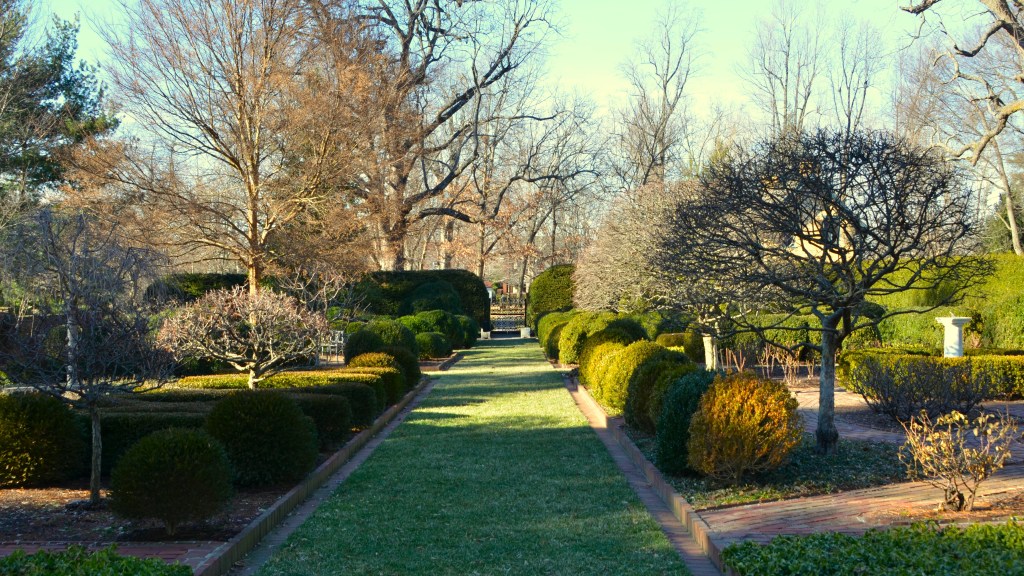
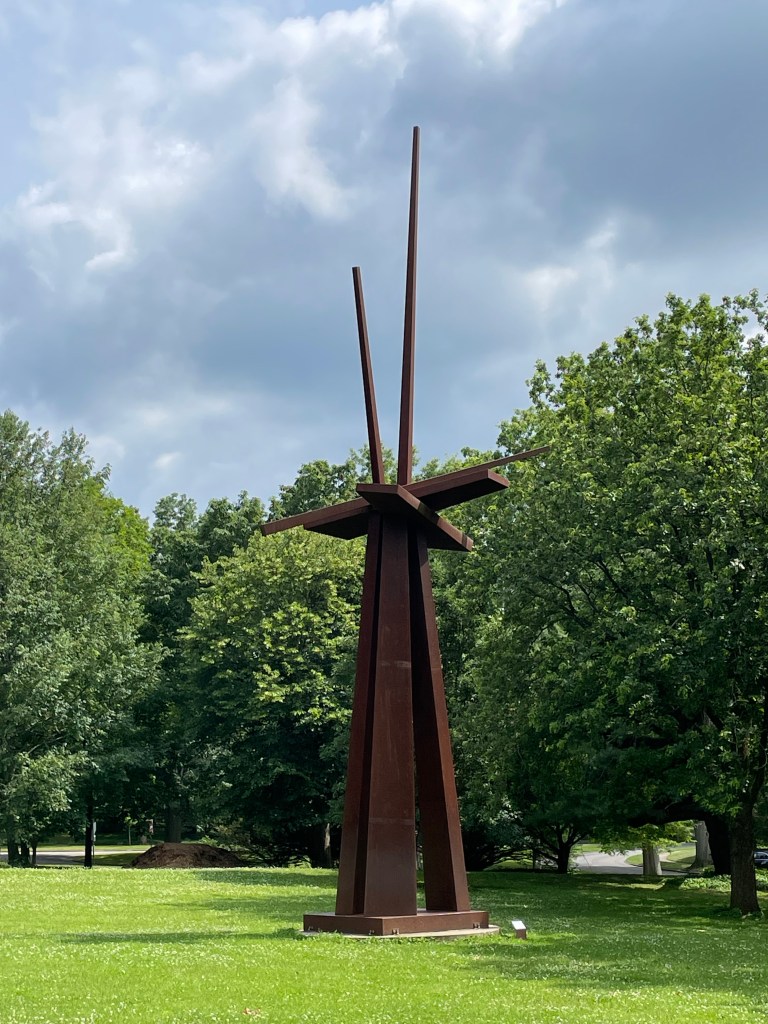
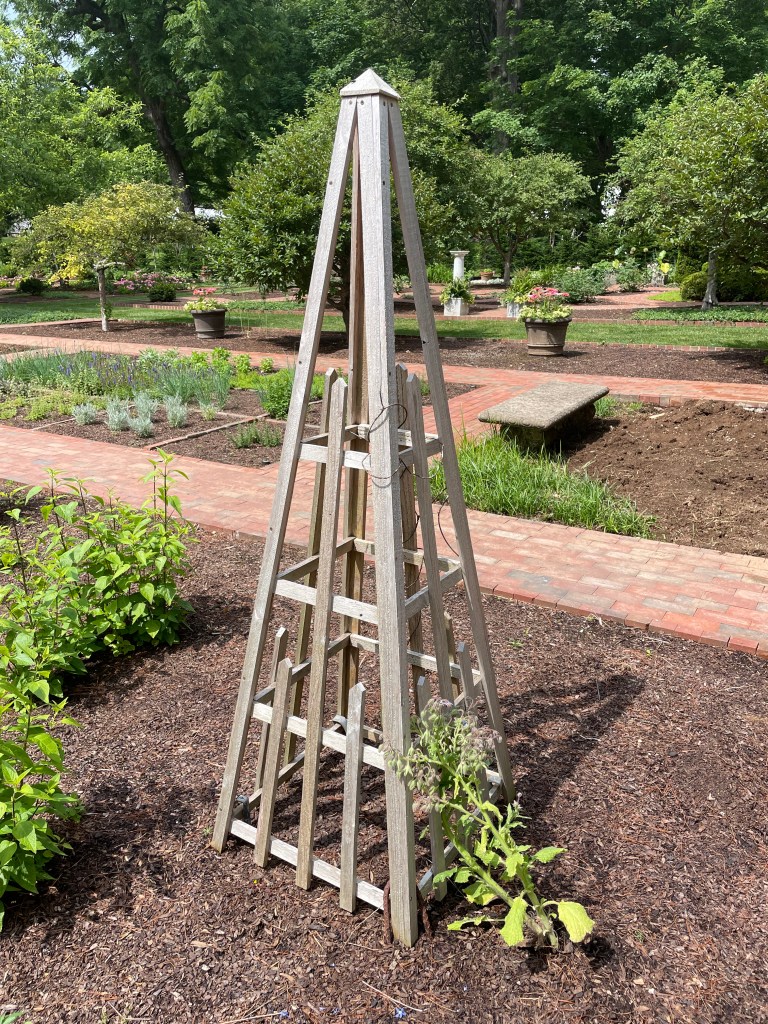
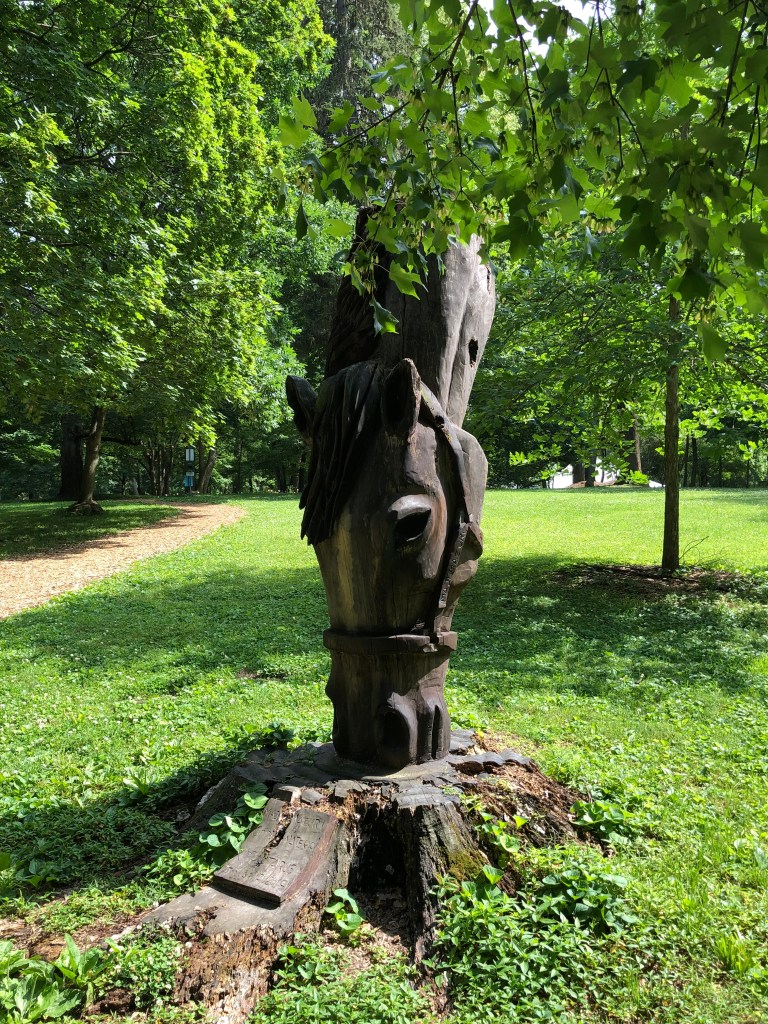
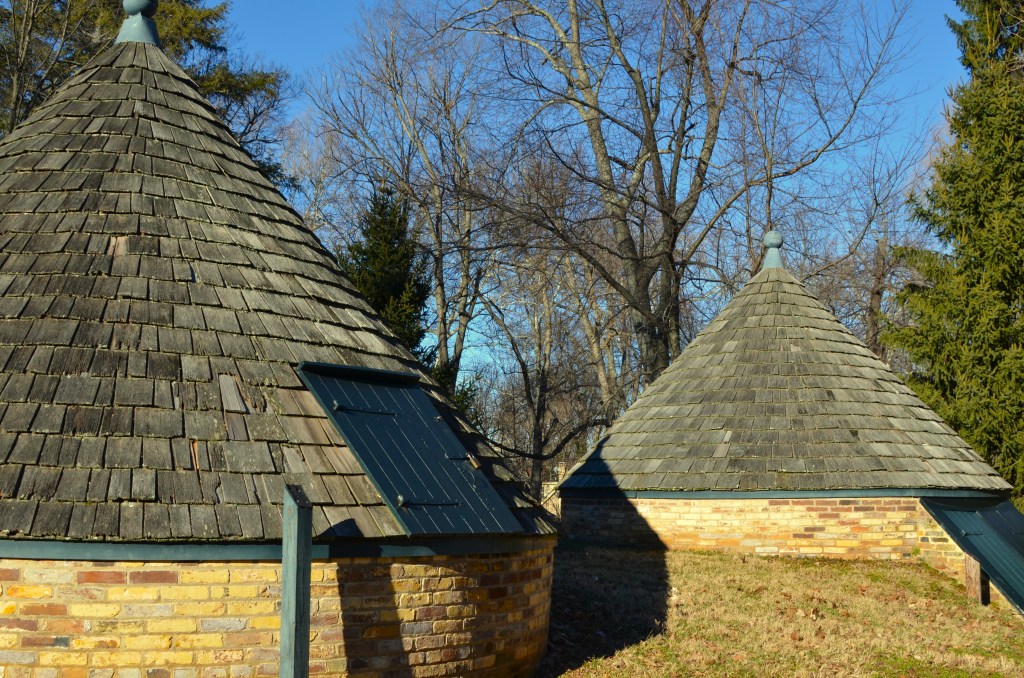
Today Ashland is a National Historic Landmark, open for tours, with an arboretum of more than 400 trees, walking paths, sculptures, and outbuildings you can wander on a self-guided tour. The Foundation has, to its credit, stopped presenting a sanitized version of the place — there’s now a dedicated tour focused on the enslaved people who lived and worked there, alongside the more traditional Clay biography tour.
Marker No. 2235: Ashland, Clay & Abraham Lincoln
ASHLAND
Home of Henry Clay, born April 12, 1777, died June 29, 1852. Served as a state legislator, US rep. and senator, house speaker, secretary of state. He ran for president in 1824, 1832, and 1844. Also an attorney, he practiced law for more than 50 years. He imported and bred fine livestock here, including champion thoroughbreds.Clay and Abraham Lincoln — Lincoln called Clay “my beau ideal of a statesman, for whom I fought all my humble life.” Lincoln voted for Clay in 1832 and 1844. The family of Lincoln’s wife, Mary Todd Lincoln, were friends with Clay. Lincoln based his political ideology on Clay’s ideals and quoted him in many important speeches.
Kentucky Historical Society, Marker No. 2235 — erected 2007
That second marker stands about 300 feet from Marker No. 1, and it’s worth pairing with what’s already been said here: Clay never held the presidency he sought three times, but his student, in a sense, did. Lincoln’s admiration wasn’t sentimental distance, either, it ran through the Todd family’s own friendship with Clay, and through Lincoln’s own words, borrowed from Clay’s, at some of the most consequential moments of his presidency.
Footnote: A Third Marker on the Same Ground
In May 2025, Ashland picked up another historical marker, a separate one from the numbered Kentucky markers. This one, designated KY-148, belongs to the Lafayette Trail, a national program documenting the 1824–25 farewell tour of the Marquis de Lafayette, the French general who served under George Washington during the Revolutionary War, and who Fayette County is named after. Lafayette passed through Lexington in 1825 as part of that tour, and the marker commemorates his visit to Ashland specifically. It was one of three Lafayette Trail markers dedicated in Lexington, funded by the William G. Pomeroy Foundation in partnership with The Lafayette Trail, Inc., alongside markers at other Lexington sites tied to Lafayette’s visit.
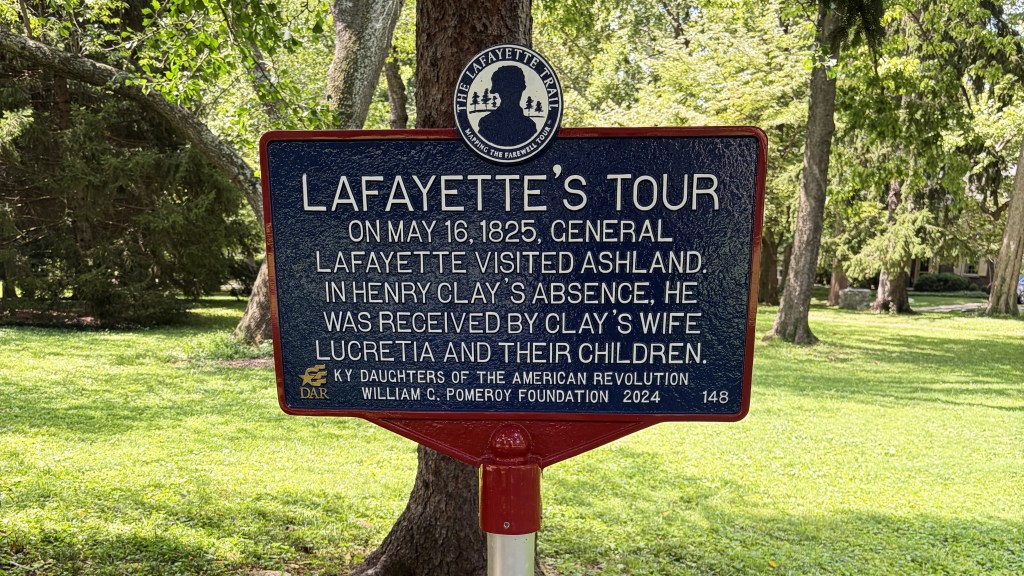
Unlike Kentucky’s own historical marker series, the Lafayette Trail runs its own independent national numbering system, so KY-148 exists alongside Marker No. 1 rather than as part of it, multiple markers, two separate programs, standing on the same 17 acres.
Sources consulted: Kentucky Historical Society / ExploreKYHistory; Kentucky Historical Society Historical Marker Database (Marker No. 2235); National Register of Historic Places documentation; Henry Clay Memorial Foundation (henryclay.org); U.S. Senate Historical Office; Britannica; U.S. Department of State Office of the Historian.



I’m eager to hear what you think